
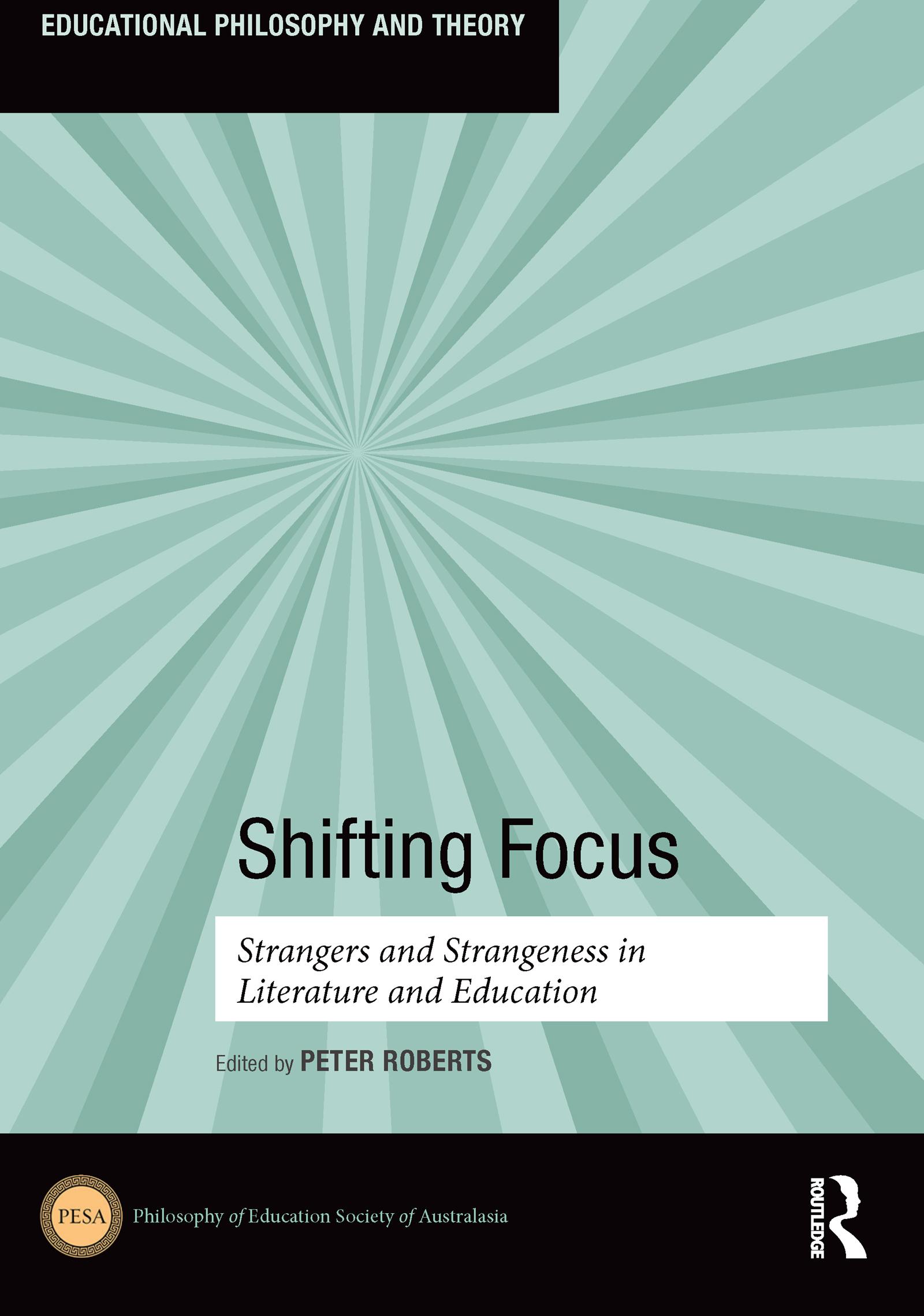
There is a long history of interest in ‘strangers’ and ‘strangeness’ in the West. Literature lends itself particularly well to an exploration of the strange in its richly varied forms, having often contained portraits of outsiders. These portraits depict people who are strange in their unusual appearance or demeanour, their out-of-the-ordinary actions or attitudes, their defiance of convention, their marginalisation from society, or their resistance to dominant structures and practices, as well as those who come from strange worlds.
Each contribution in this collection focuses on a novel, story or play. The essays engage works by Shelley, Dickens, Charlotte Brontë, Dostoevsky, Conrad, Grazia Deledda, Kafka, Beckett, and Camus, all of whom have much to offer the central theme of ‘strangers and strangeness’. This book demonstrates that there is considerable value in encountering, experiencing and reflecting upon that which is strange. Education is, amongst other things, a process of learning to see the world otherwise, and literature has the capacity to promote this form of human development. This book allows readers to re-experience the ordinary, and to learn that what at first seems strange is rather closer to us than we had previously imagined.
This book was originally published as a special issue of Educational Philosophy & Theory.
Płać wygodnie kartą, Klarną, Apple Pay lub Google Pay. Nie jesteś zadowolony? Zawsze masz 14-dniową gwarancję zwrotu pieniędzy. Więcej przeczytasz w naszych warunkach. Masz pytania? Napisz do nas na hello@memmo.org.
Memmo ułatwia naukę – gdziekolwiek jesteś na świecie. U nas znajdziesz podręczniki i sprytne narzędzia do nauki w jednym miejscu: streszczenia, quizy, podcasty i fiszki. A do tego Ted, Twój kumpel do nauki, który odpowie na wszystko, co Cię nurtuje. Ponad 50 000 studentów już tu się uczy – stworzone, byś uczył się szybciej i mniej stresował.