
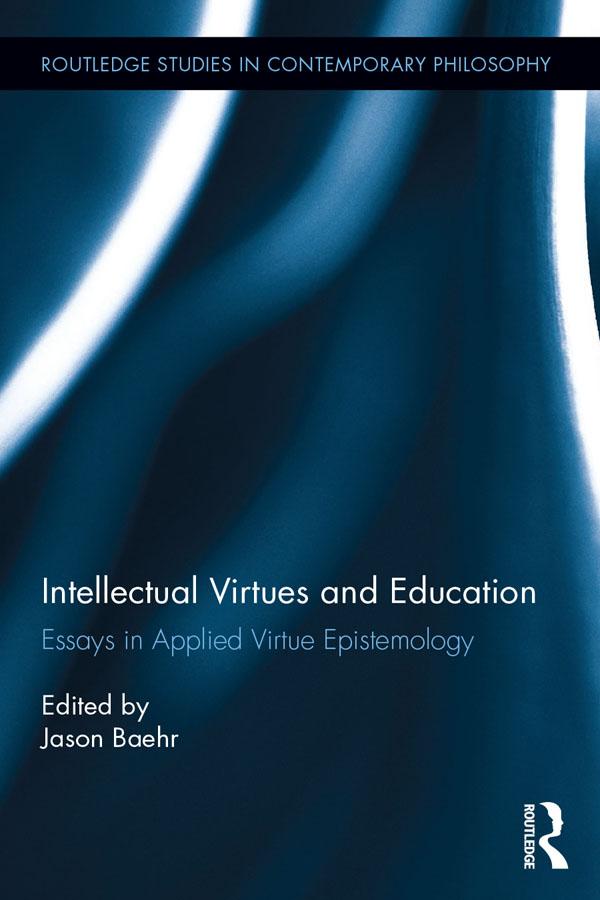
With its focus on intellectual virtues and their role in the acquisition and transmission of knowledge and related epistemic goods, virtue epistemology provides a rich set of tools for educational theory and practice. In particular, characteristics under the rubric of "responsibilist" virtue epistemology, like curiosity, open-mindedness, attentiveness, intellectual courage, and intellectual tenacity, can help educators and students define and attain certain worthy but nebulous educational goals like a love of learning, lifelong learning, and critical thinking. This volume is devoted to exploring the intersection between virtue epistemology and education. It assembles leading virtue epistemologists and philosophers of education to address such questions as: Which virtues are most essential to education? How exactly should these virtues be understood? How is the goal of intellectual character growth related to other educational goals, for example, to critical thinking and knowledge-acquisition? What are the "best practices" for achieving this goal? Can growth in intellectual virtues be measured? The chapters are a prime example of "applied epistemology" and promise to be a seminal contribution to an area of research that is rapidly gaining attention within epistemology and beyond.
Płać wygodnie kartą, Klarną, Apple Pay lub Google Pay. Nie jesteś zadowolony? Zawsze masz 14-dniową gwarancję zwrotu pieniędzy. Więcej przeczytasz w naszych warunkach. Masz pytania? Napisz do nas na hello@memmo.org.
Memmo ułatwia naukę – gdziekolwiek jesteś na świecie. U nas znajdziesz podręczniki i sprytne narzędzia do nauki w jednym miejscu: streszczenia, quizy, podcasty i fiszki. A do tego Ted, Twój kumpel do nauki, który odpowie na wszystko, co Cię nurtuje. Ponad 50 000 studentów już tu się uczy – stworzone, byś uczył się szybciej i mniej stresował.