
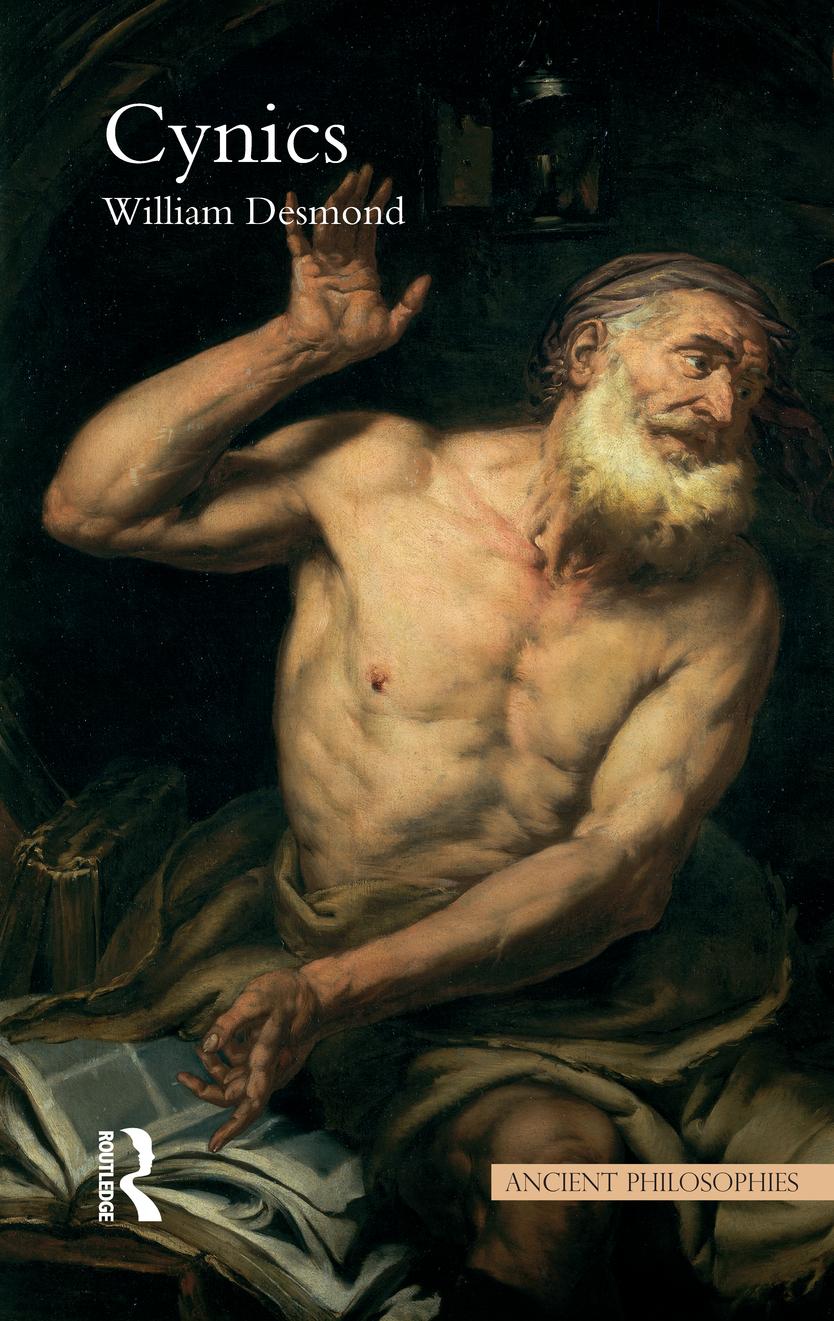
Once regarded as a minor Socratic school, Cynicism is now admired as one of the more creative and influential philosophical movements in antiquity. First arising in the city-states of late classical Greece, Cynicism thrived through the Hellenistic and Roman periods, until the triumph of Christianity and the very end of pagan antiquity. In every age down to the present, its ideals of radical simplicity and freedom have alternately inspired and disturbed onlookers. This book offers a survey of Cynicism, its varied representatives and ideas, and the many contexts in which it operated. William Desmond introduces important ancient Cynics and their times, from Diogenes 'the Dog' in the fourth century BC to Sallustius in the fifth century AD. He details the Cynics' rejection of various traditional customs and the rebellious life-style for which they are notorious.The central chapters locate major Cynic themes (nature and the natural life, Fortune, self-sufficiency, cosmopolitanism) within the rich matrix of ideas debated by the ancient schools. The final chapter reviews some moments in the diverse legacy of Cynicism, from Jesus to Nietzsche.
Płać wygodnie kartą, Klarną, Apple Pay lub Google Pay. Nie jesteś zadowolony? Zawsze masz 14-dniową gwarancję zwrotu pieniędzy. Więcej przeczytasz w naszych warunkach. Masz pytania? Napisz do nas na hello@memmo.org.
Memmo ułatwia naukę – gdziekolwiek jesteś na świecie. U nas znajdziesz podręczniki i sprytne narzędzia do nauki w jednym miejscu: streszczenia, quizy, podcasty i fiszki. A do tego Ted, Twój kumpel do nauki, który odpowie na wszystko, co Cię nurtuje. Ponad 50 000 studentów już tu się uczy – stworzone, byś uczył się szybciej i mniej stresował.
Może Ci się spodobać
Kup książkę0