
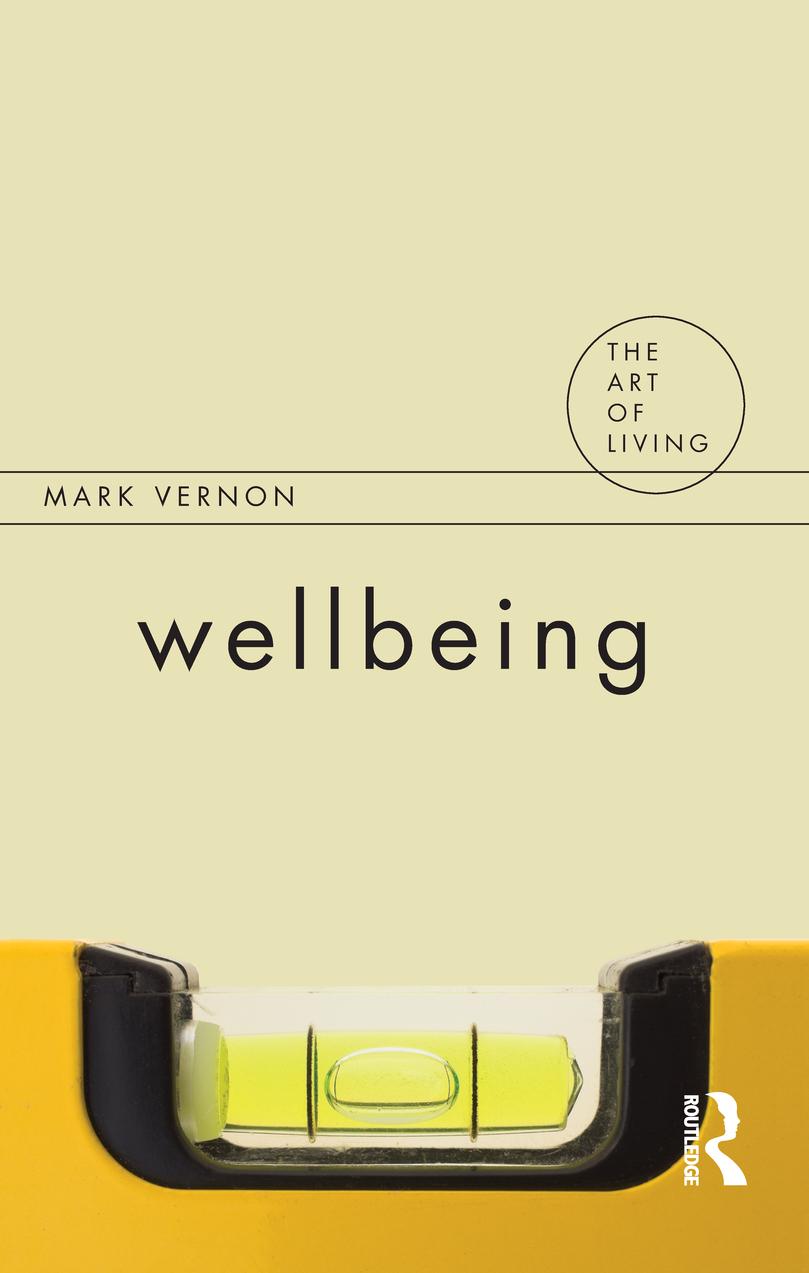
The politics of wellbeing and the new science of happiness have shot up the agenda since Martin Seligman coined the phrase "positive psychology". After all, who does not want to live the good life? So ten years on, why is it that much of this otherwise welcome debate sounds like as much apple-pie - "work less", "earn enough", "keep fit", "find meaning", "enjoy freedoms"? The reason is not, ultimately, cynicism. Rather, it is because a central, tricky question is being glossed over: just what is wellbeing? Mark Vernon argues that positive psychology has overlooked and sidelined the ancient wisdom on wellbeing, notably from the Greek philosophers. Now is the time to pay it proper attention.Vernon shows, surprisingly, that wellbeing is not found in a focus on pleasure, or even the pursuit of happiness itself. Rather, it is a question of meaning and responding to the great challenge of our day: the search for transcendence. For at root, the life that is going well cultivates a way of life based upon love: it is that which draws you out of yourself - in friends, hopes and ultimately the contemplation of mystery - and orientates a life towards that which is good.
Płać wygodnie kartą, Klarną, Apple Pay lub Google Pay. Nie jesteś zadowolony? Zawsze masz 14-dniową gwarancję zwrotu pieniędzy. Więcej przeczytasz w naszych warunkach. Masz pytania? Napisz do nas na hello@memmo.org.
Memmo ułatwia naukę – gdziekolwiek jesteś na świecie. U nas znajdziesz podręczniki i sprytne narzędzia do nauki w jednym miejscu: streszczenia, quizy, podcasty i fiszki. A do tego Ted, Twój kumpel do nauki, który odpowie na wszystko, co Cię nurtuje. Ponad 50 000 studentów już tu się uczy – stworzone, byś uczył się szybciej i mniej stresował.
Może Ci się spodobać
Kup książkę0