
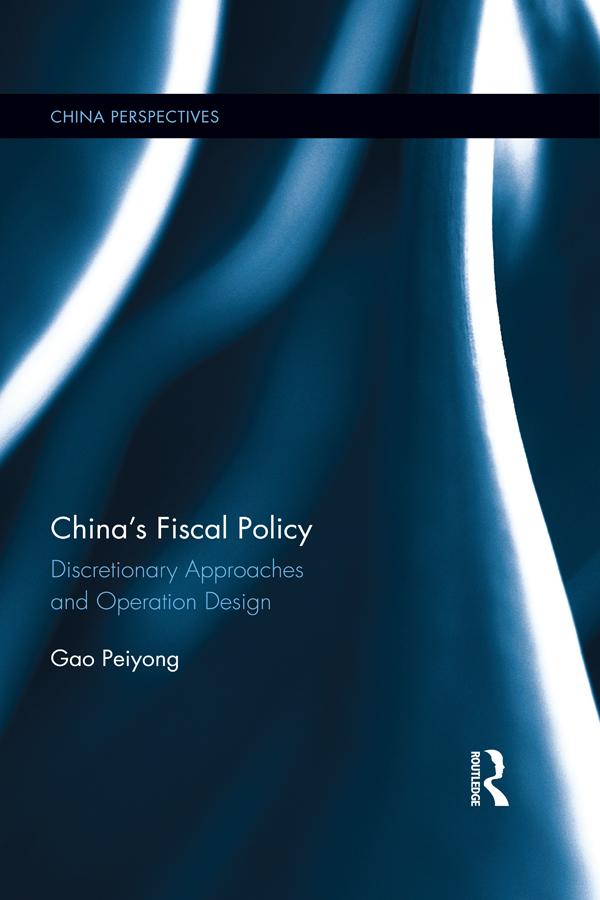
As an important macroeconomic variant, the fiscal revenue and expenditure can influence the operation of the whole economic and social activities by changing the existing GDP distribution pattern, affecting the consumption and investment of enterprises and people, etc. Thus, fiscal policy has always been a primary instrument of macroeconomic regulation.
This book imports fiscal policy into the framework of macroeconomic analysis and through the analysis of the former, it unfolds the major changes of China's macroeconomic operation in the past 20 years. This book begins with China's rejoining the General Agreement on Tariffs and Trade (GATT) in the 1990s which enabled China to deepen the reform and join the international market finally. It elaborates on the challenges China's taxation would be confronted with after rejoining the GATT, including the decrease of tax revenue and higher requirements for tax reform. Then this book combs China's fiscal policies under various economic situations chronologically–tax policy under the background of deflation, proactive fiscal policy at the beginning of 21st century, macroeconomic policy options facing a complicated and volatile economy, etc. How to deal with the ¡°new normal¡± of development China's economy has entered is also addressed.
This book will appeal to scholars and students of economics and China's economic studies.
Płać wygodnie kartą, Klarną, Apple Pay lub Google Pay. Nie jesteś zadowolony? Zawsze masz 14-dniową gwarancję zwrotu pieniędzy. Więcej przeczytasz w naszych warunkach. Masz pytania? Napisz do nas na hello@memmo.org.
Memmo ułatwia naukę – gdziekolwiek jesteś na świecie. U nas znajdziesz podręczniki i sprytne narzędzia do nauki w jednym miejscu: streszczenia, quizy, podcasty i fiszki. A do tego Ted, Twój kumpel do nauki, który odpowie na wszystko, co Cię nurtuje. Ponad 50 000 studentów już tu się uczy – stworzone, byś uczył się szybciej i mniej stresował.