
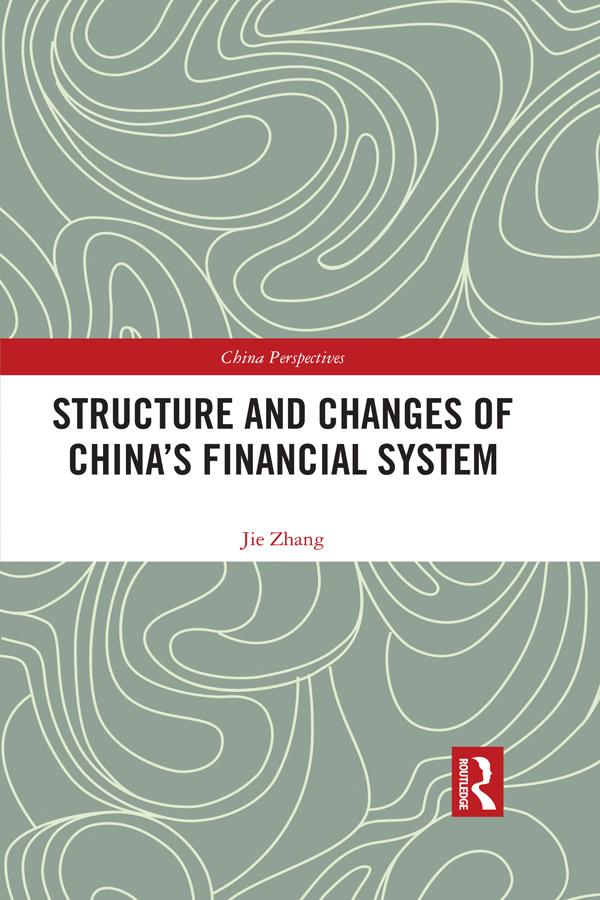
By virtue of several theoretical models and hypotheses, this book is one of the earliest studies which systematically investigates the structure and changes of China’s financial institutions.
To begin with, it examines the relation between state utility function and China’s economic growth, and reveals the formation and transition of China’s state-owned financial institutional arrangements. Based on this analysis, the author studies the influence of monetization on the arrangements, and the financial support to China’s gradual reform which have long been neglected by researchers. Also, the model of money demand that can explain the specific conditions of the gradual reform is built, as the neoclassical framework has been incapable of explaining China’s financial performance. In the last chapter, it discusses the dilemma of property rights under the state-owned financial system, with the establishment of the credit equilibrium model and the dual model of bad debts.
With insightful theoretical analysis and empirical researches, this book will appeal to scholars and students in finance, economics and economic history.
Płać wygodnie kartą, Klarną, Apple Pay lub Google Pay. Nie jesteś zadowolony? Zawsze masz 14-dniową gwarancję zwrotu pieniędzy. Więcej przeczytasz w naszych warunkach. Masz pytania? Napisz do nas na hello@memmo.org.
Memmo ułatwia naukę – gdziekolwiek jesteś na świecie. U nas znajdziesz podręczniki i sprytne narzędzia do nauki w jednym miejscu: streszczenia, quizy, podcasty i fiszki. A do tego Ted, Twój kumpel do nauki, który odpowie na wszystko, co Cię nurtuje. Ponad 50 000 studentów już tu się uczy – stworzone, byś uczył się szybciej i mniej stresował.