
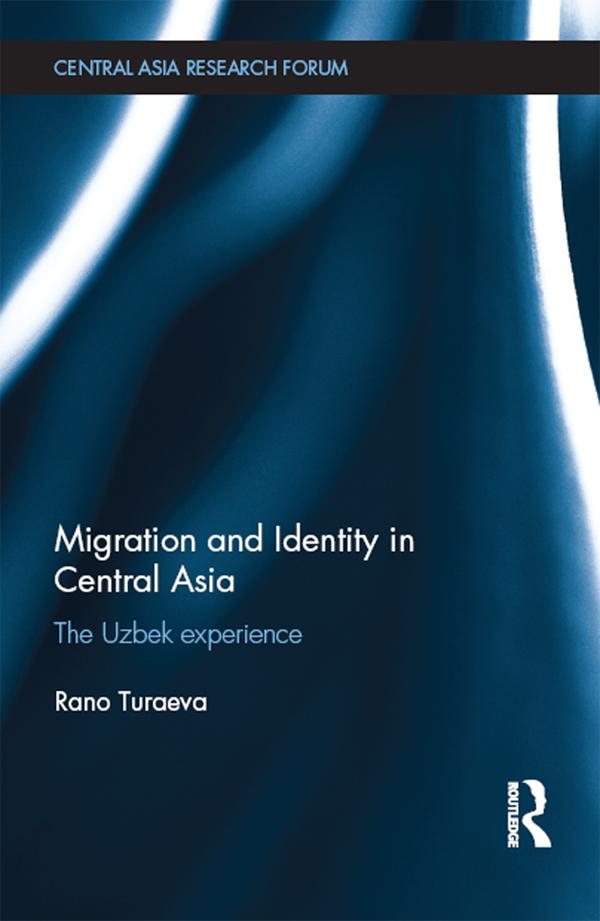
This book is an ethnographic and sociolinguistic study of Uzbek migrants in the capital city of Uzbekistan. The ethnographic details of the book represent post-Soviet urban realities on the ground where various forms of belonging clash and kinship ties are reinforced within social safety networks. Theoretically, it challenges the existing theories of identity and identification which often considered the relations between ‘We and Them’ taking the ‘We’ for granted. The book offers in-depth insights into the communication strategies of migrants, the formation of collective consciousness and the relations within the ‘We’ domain.
Constructed around contradictions regarding Uzbek identity and how various groups relate to one another as different ethnic groups, the theoretical argument of the book is built through such methods and analytical tools as strategic rhetoric and discourse analysis, communication and identity theories, and the analysis of power and dependence.
The book will be of interest to students and scholars of Central Asian Studies, Migration Studies, and Central Asian Culture and Society.
Płać wygodnie kartą, Klarną, Apple Pay lub Google Pay. Nie jesteś zadowolony? Zawsze masz 14-dniową gwarancję zwrotu pieniędzy. Więcej przeczytasz w naszych warunkach. Masz pytania? Napisz do nas na hello@memmo.org.
Memmo ułatwia naukę – gdziekolwiek jesteś na świecie. U nas znajdziesz podręczniki i sprytne narzędzia do nauki w jednym miejscu: streszczenia, quizy, podcasty i fiszki. A do tego Ted, Twój kumpel do nauki, który odpowie na wszystko, co Cię nurtuje. Ponad 50 000 studentów już tu się uczy – stworzone, byś uczył się szybciej i mniej stresował.