
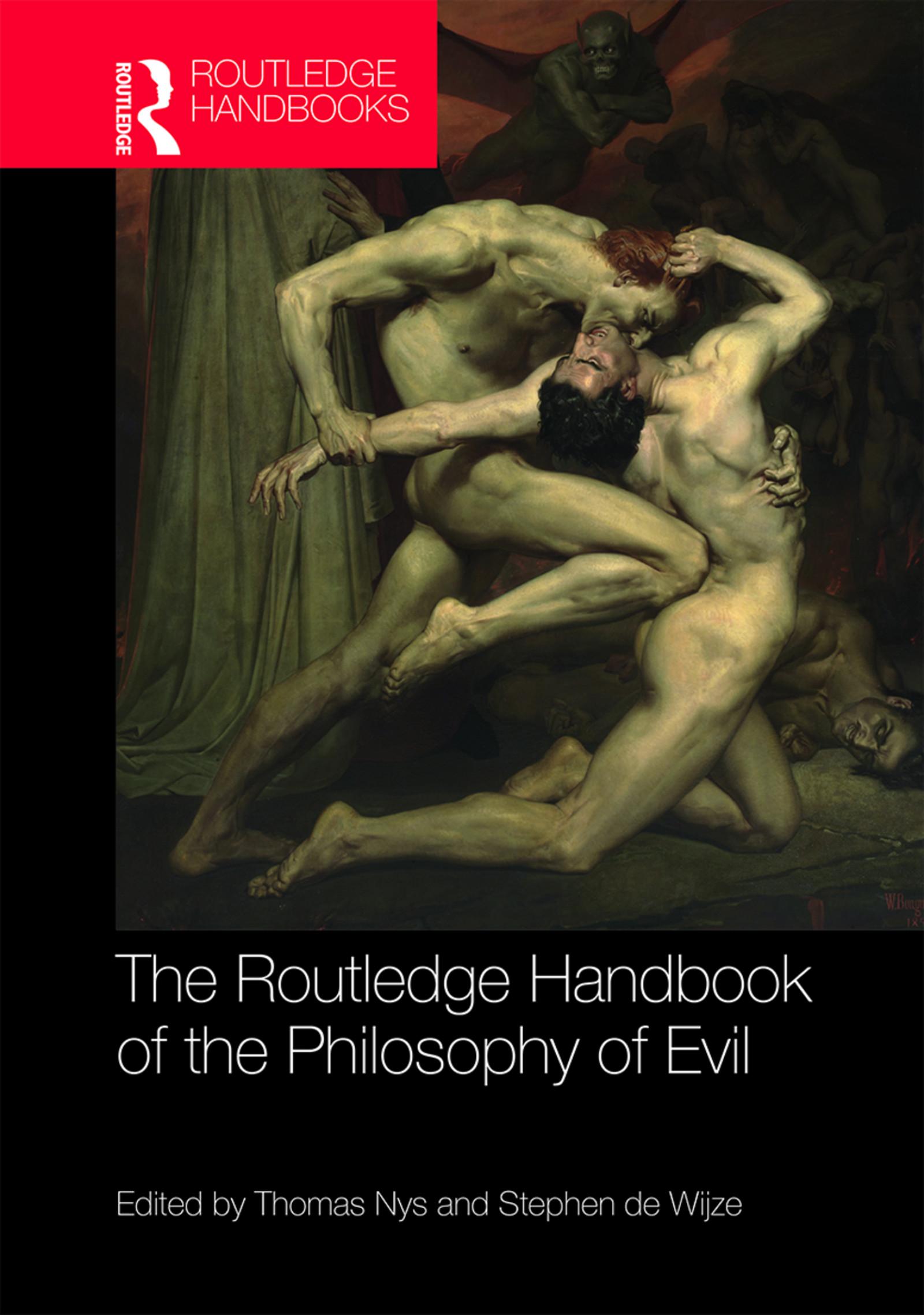
Why ought we concern ourselves with understanding a concept of evil? It is an elusive and politically charged concept which critics argue has no explanatory power and is a relic of a superstitious and primitive religious past. Yet its widespread use persists today: we find it invoked by politicians, judges, journalists, and many others to express the view that certain actions, persons, institutions, or ideologies are not just morally problematic but require a special signifier to mark them out from the ordinary and commonplace. Therefore, the question of what a concept of evil could mean and how it fits into our moral vocabulary remains an important and pressing concern.
The Routledge Handbook of the Philosophy of Evil provides an outstanding overview and exploration of these issues and more, bringing together an international team of scholars working on the concept of evil. Its 27 chapters cover the crucial discussions and arguments, both historical and contemporary, that are needed to properly understand the historical development and complexity of the concept of evil. The Handbook is divided into three parts:
- Historical explorations of evil
- Recent secular explorations of evil
- Evil and other issues.
The Routledge Handbook of the Philosophy of Evil is essential reading for students and researchers in the fields of ethics and philosophy of psychology. It also provides important insights and background for anyone exploring the concept of evil in related subjects such as literature, politics, and religion.
Płać wygodnie kartą, Klarną, Apple Pay lub Google Pay. Nie jesteś zadowolony? Zawsze masz 14-dniową gwarancję zwrotu pieniędzy. Więcej przeczytasz w naszych warunkach. Masz pytania? Napisz do nas na hello@memmo.org.
Memmo ułatwia naukę – gdziekolwiek jesteś na świecie. U nas znajdziesz podręczniki i sprytne narzędzia do nauki w jednym miejscu: streszczenia, quizy, podcasty i fiszki. A do tego Ted, Twój kumpel do nauki, który odpowie na wszystko, co Cię nurtuje. Ponad 50 000 studentów już tu się uczy – stworzone, byś uczył się szybciej i mniej stresował.