
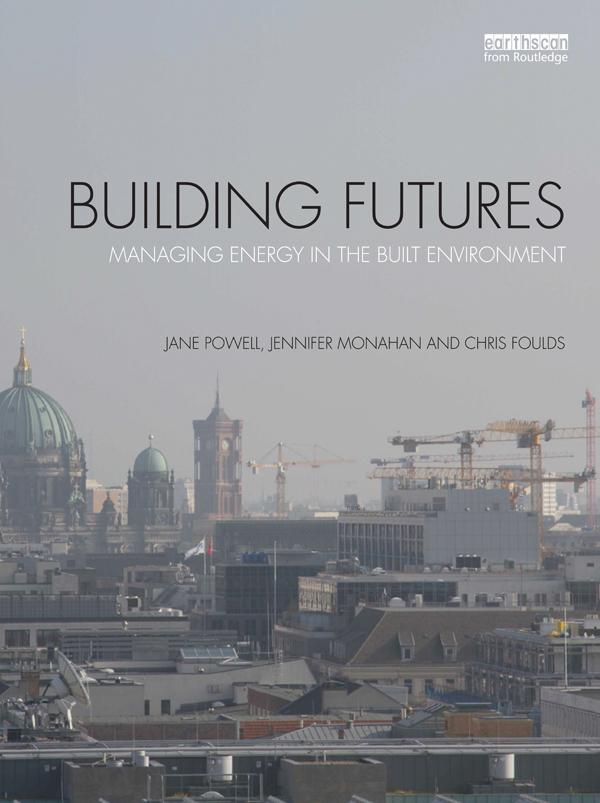
A reduction in the energy demand of buildings can make a major contribution to achieving national and international carbon reduction goals, in addition to addressing the interlinked issues of sustainable development, fuel poverty and fuel security. Despite improvements in thermal efficiency, the energy demand of buildings stubbornly remains unchanged, or is only declining slowly, due to the challenges posed by growing populations, the expectations of larger, more comfortable and better equipped living spaces, and an expanding commercial sector.
Building Futures offers an interdisciplinary approach to explore this lack of progress, combining technical and social insights into the challenges of designing, constructing and operating new low energy buildings, as well as improving the existing, inefficient, building stock. The twin roles of energy efficiency, which is predominantly concerned with technological solutions, and energy conservation which involves changing peoples’ behaviour, are both explored. The book includes a broad geographical range and scale of case studies from the UK, Europe and further afield, including Passivhaus in Germany and the UK, Dongtan Eco City in China and retrofit houses in Denmark.
This book is a valuable resource for students and academics of environmental science and energy-based subjects as well as construction and building management professionals.
Płać wygodnie kartą, Klarną, Apple Pay lub Google Pay. Nie jesteś zadowolony? Zawsze masz 14-dniową gwarancję zwrotu pieniędzy. Więcej przeczytasz w naszych warunkach. Masz pytania? Napisz do nas na hello@memmo.org.
Memmo ułatwia naukę – gdziekolwiek jesteś na świecie. U nas znajdziesz podręczniki i sprytne narzędzia do nauki w jednym miejscu: streszczenia, quizy, podcasty i fiszki. A do tego Ted, Twój kumpel do nauki, który odpowie na wszystko, co Cię nurtuje. Ponad 50 000 studentów już tu się uczy – stworzone, byś uczył się szybciej i mniej stresował.