
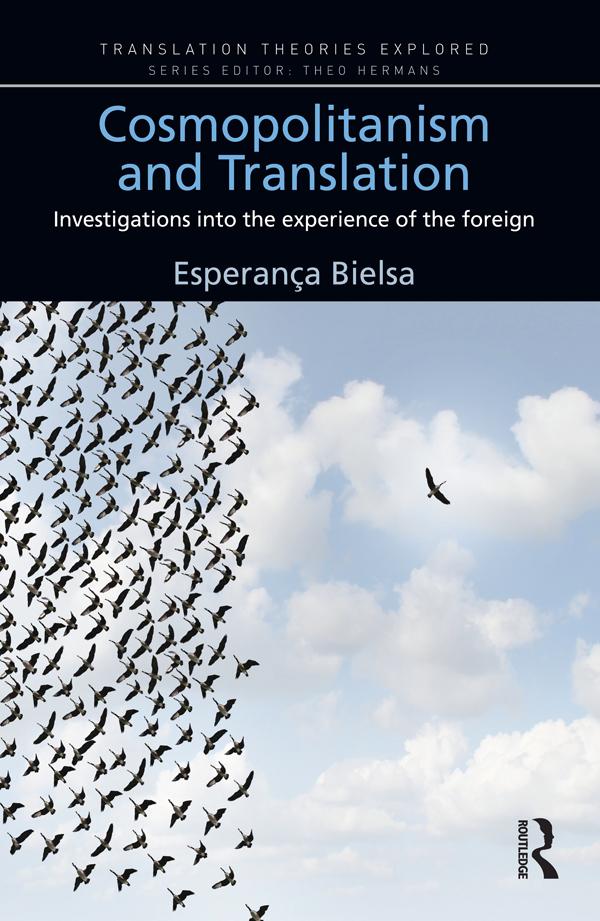
Social theories of the new cosmopolitanism have called attention to the central importance of translation, in areas such as global democracy, human rights and social movements, but translation studies has not engaged systematically with theories of cosmopolitanism.
In Cosmopolitanism and Translation, Esperança Bielsa does just that by focussing on the lived experience of the cosmopolitan stranger, whether a traveller, migrant, refugee or homecomer. With reference to world literature, social theory and foreign news, she argues that this key figure of modernity has a central relevance in the cosmopolitanism debate.
In nine chapters organised into four thematic sections, this book examines:
- theories and insights on "new cosmopolitanism"
- methodological cosmopolitanism
- translation as the experience of the foreign
- the notion of cosmopolitanism as openness to others
- living in translation and the question of the stranger.
With detailed case studies centred on Bolaño, Adorno and Terzani and their work, Cosmopolitanism and Translation places translation at the heart of cosmopolitan theory and makes an essential contribution for students and researchers of both translation studies and social theory.
Płać wygodnie kartą, Klarną, Apple Pay lub Google Pay. Nie jesteś zadowolony? Zawsze masz 14-dniową gwarancję zwrotu pieniędzy. Więcej przeczytasz w naszych warunkach. Masz pytania? Napisz do nas na hello@memmo.org.
Memmo ułatwia naukę – gdziekolwiek jesteś na świecie. U nas znajdziesz podręczniki i sprytne narzędzia do nauki w jednym miejscu: streszczenia, quizy, podcasty i fiszki. A do tego Ted, Twój kumpel do nauki, który odpowie na wszystko, co Cię nurtuje. Ponad 50 000 studentów już tu się uczy – stworzone, byś uczył się szybciej i mniej stresował.