
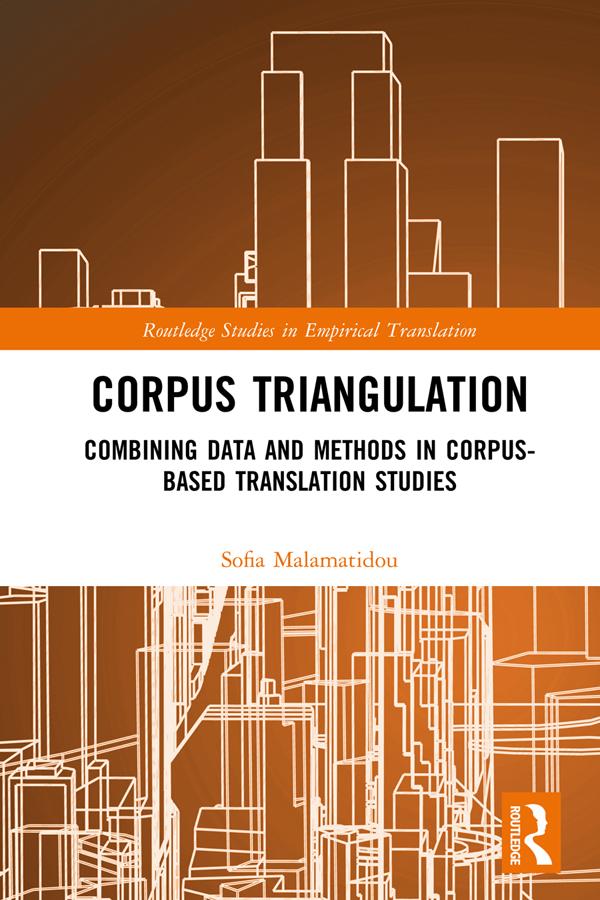
Despite the recognition that corpus-based translation research would benefit from the triangulation of corpora, little has been done in the direction of actually employing combined corpus data and methods in the field. This book aims to address this gap by providing a much needed detailed account of corpus triangulation, where different corpora (e.g. parallel, comparable, synchronic, diachronic) and/or different methods of analysis (e.g. qualitative, quantitative) can be used to increase our understanding of the phenomena where translation plays a key role. The book also demonstrates clearly how the proposed methodology can be fruitfully employed to investigate different linguistic features, through its systematic application to empirical data. The first part of the book introduces the innovative framework for corpus triangulation, which is based on a new and comprehensive corpus typology, while the second part applies the methodological framework to two case studies examining the language of translation and the relationship between translation and language change. The book advances current translation studies in terms of methodology innovation and offers a model on which future studies investigating the network of relationships surrounding translated texts can be based.
Płać wygodnie kartą, Klarną, Apple Pay lub Google Pay. Nie jesteś zadowolony? Zawsze masz 14-dniową gwarancję zwrotu pieniędzy. Więcej przeczytasz w naszych warunkach. Masz pytania? Napisz do nas na hello@memmo.org.
Memmo ułatwia naukę – gdziekolwiek jesteś na świecie. U nas znajdziesz podręczniki i sprytne narzędzia do nauki w jednym miejscu: streszczenia, quizy, podcasty i fiszki. A do tego Ted, Twój kumpel do nauki, który odpowie na wszystko, co Cię nurtuje. Ponad 50 000 studentów już tu się uczy – stworzone, byś uczył się szybciej i mniej stresował.