
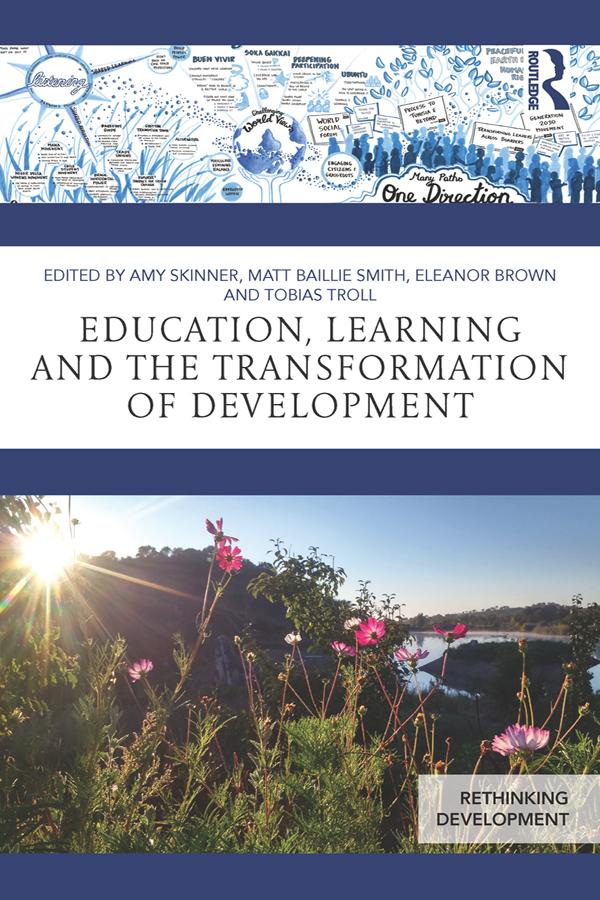
Whilst education has been widely recognised as a key tool for development, this has tended to be limited to the incremental changes that education can bring about within a given development paradigm, as opposed to its role in challenging dominant conceptions and practices of development and creating alternatives.
Through a collection of insightful and provocative chapters, this book will examine the role of learning in shaping new discourses and practices of development. By drawing on contributions from activists, researchers, education and development practitioners from around the world, this book situates learning within the wider political and cultural economies of development. It critically explores if and how learning can shape processes of societal transformation, and consequently a new language and practice of development. This includes offering critical accounts of popular, informal and non-formal learning processes, as well as the contribution of indigenous knowledges, in providing spaces for the co-production of knowledge, thinking and action on development, and in terms of shaping the ways in which citizens engage with and create new understandings of ‘development’ itself. This book makes an important and original contribution by reframing educational practices and processes in relation to broader global struggles for justice, voice and development in a rapidly changing development landscape.
Płać wygodnie kartą, Klarną, Apple Pay lub Google Pay. Nie jesteś zadowolony? Zawsze masz 14-dniową gwarancję zwrotu pieniędzy. Więcej przeczytasz w naszych warunkach. Masz pytania? Napisz do nas na hello@memmo.org.
Memmo ułatwia naukę – gdziekolwiek jesteś na świecie. U nas znajdziesz podręczniki i sprytne narzędzia do nauki w jednym miejscu: streszczenia, quizy, podcasty i fiszki. A do tego Ted, Twój kumpel do nauki, który odpowie na wszystko, co Cię nurtuje. Ponad 50 000 studentów już tu się uczy – stworzone, byś uczył się szybciej i mniej stresował.