
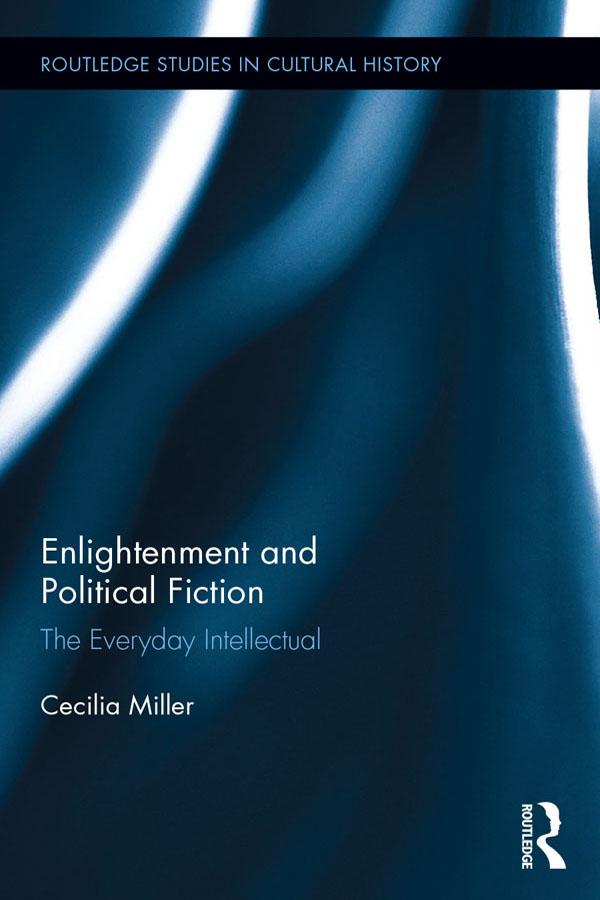
The easy accessibility of political fiction in the long eighteenth century made it possible for any reader or listener to enter into the intellectual debates of the time, as much of the core of modern political and economic theory was to be found first in the fiction, not the theory, of this age. Amusingly, many of these abstract ideas were presented for the first time in stories featuring less-than-gifted central characters. The five particular works of fiction examined here, which this book takes as embodying the core of the Enlightenment, focus more on the individual than on social group. Nevertheless, in these same works of fiction, this individual has responsibilities as well as rights—and these responsibilities and rights apply to every individual, across the board, regardless of social class, financial status, race, age, or gender. Unlike studies of the Enlightenment which focus only on theory and nonfiction, this study of fiction makes evident that there was a vibrant concern for the constructive as well as destructive aspects of emotion during the Enlightenment, rather than an exclusive concern for rationality.
Płać wygodnie kartą, Klarną, Apple Pay lub Google Pay. Nie jesteś zadowolony? Zawsze masz 14-dniową gwarancję zwrotu pieniędzy. Więcej przeczytasz w naszych warunkach. Masz pytania? Napisz do nas na hello@memmo.org.
Memmo ułatwia naukę – gdziekolwiek jesteś na świecie. U nas znajdziesz podręczniki i sprytne narzędzia do nauki w jednym miejscu: streszczenia, quizy, podcasty i fiszki. A do tego Ted, Twój kumpel do nauki, który odpowie na wszystko, co Cię nurtuje. Ponad 50 000 studentów już tu się uczy – stworzone, byś uczył się szybciej i mniej stresował.