
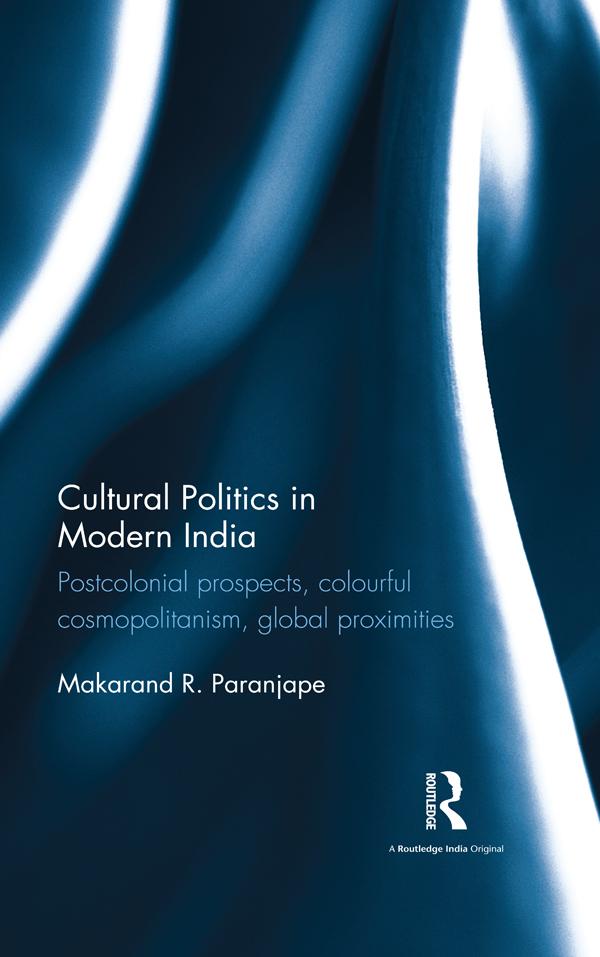
India’s global proximities derive in good measure from its struggle against British imperialism. In its efforts to become a nation, India turned modern in its own unusual way. At the heart of this metamorphosis was a "colourful cosmopolitanism," the unique manner in which India made the world its neighbourhood. The most creative thinkers and leaders of that period reimagined diverse horizons. They collaborated not only in widespread anti-colonial struggles but also in articulating the vision of alter-globalization, universalism, and cosmopolitanism. This book, in revealing this dimension, offers new and original interpretations of figures such as Kant, Tagore, Heidegger, Gandhi, Aurobindo, Gebser, Kosambi, Narayan, Ezekiel, and Spivak. It also analyses cultural and aesthetic phenomena, from the rasa theory to Bollywood cinema, explaining how Indian ideas, texts, and cultural expressions interacted with a wider world and contributed to the making of modern India.
Płać wygodnie kartą, Klarną, Apple Pay lub Google Pay. Nie jesteś zadowolony? Zawsze masz 14-dniową gwarancję zwrotu pieniędzy. Więcej przeczytasz w naszych warunkach. Masz pytania? Napisz do nas na hello@memmo.org.
Memmo ułatwia naukę – gdziekolwiek jesteś na świecie. U nas znajdziesz podręczniki i sprytne narzędzia do nauki w jednym miejscu: streszczenia, quizy, podcasty i fiszki. A do tego Ted, Twój kumpel do nauki, który odpowie na wszystko, co Cię nurtuje. Ponad 50 000 studentów już tu się uczy – stworzone, byś uczył się szybciej i mniej stresował.