
"An Englishman's way of speaking absolutely classifies him,
The moment he talks he makes some other Englishman despise him." - Henry
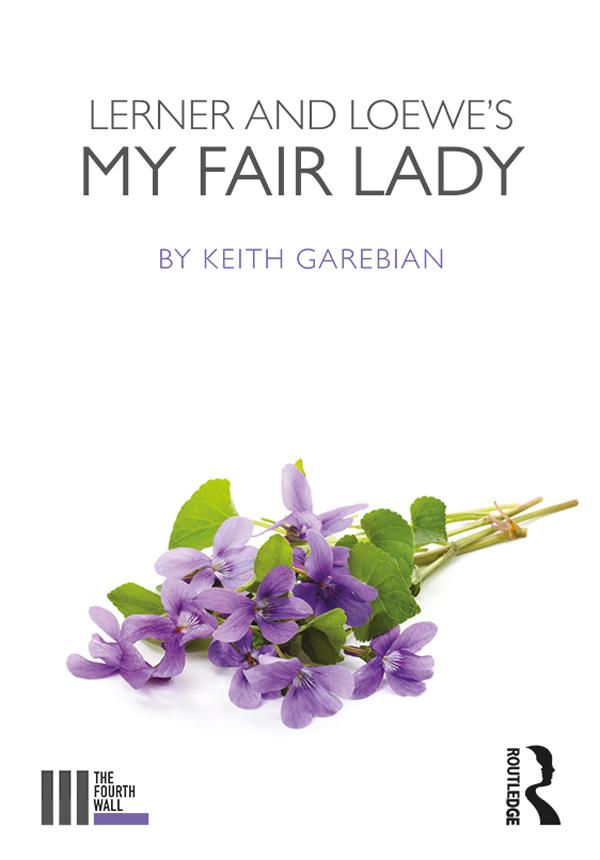
George Bernard Shaw famously refused to permit any play of his "to be degraded into an operetta or set to any music except its own." Allowing his beloved Pygmalion to be supplanted by a comic opera was therefore unthinkable; yet Lerner and Loewe transformed it into My Fair Lady (1956), a musical that was to delight audiences and critics alike. By famously reversing Shaw’s original ending, the show even dared to establish a cunningly romantic ending.
Keith Garebian delves into the libretto for a fresh take, and explores biographies of the show’s principal artists to discover how their roles intersected with real life.
Rex Harrison was an alpha male onstage and off, Julie Andrews struggled with her ‘chaste diva’ image, and the direction of the sexually ambiguous Moss Hartcontributed to the musical’s sexual coding.
Płać wygodnie kartą, Klarną, Apple Pay lub Google Pay. Nie jesteś zadowolony? Zawsze masz 14-dniową gwarancję zwrotu pieniędzy. Więcej przeczytasz w naszych warunkach. Masz pytania? Napisz do nas na hello@memmo.org.
Memmo ułatwia naukę – gdziekolwiek jesteś na świecie. U nas znajdziesz podręczniki i sprytne narzędzia do nauki w jednym miejscu: streszczenia, quizy, podcasty i fiszki. A do tego Ted, Twój kumpel do nauki, który odpowie na wszystko, co Cię nurtuje. Ponad 50 000 studentów już tu się uczy – stworzone, byś uczył się szybciej i mniej stresował.