
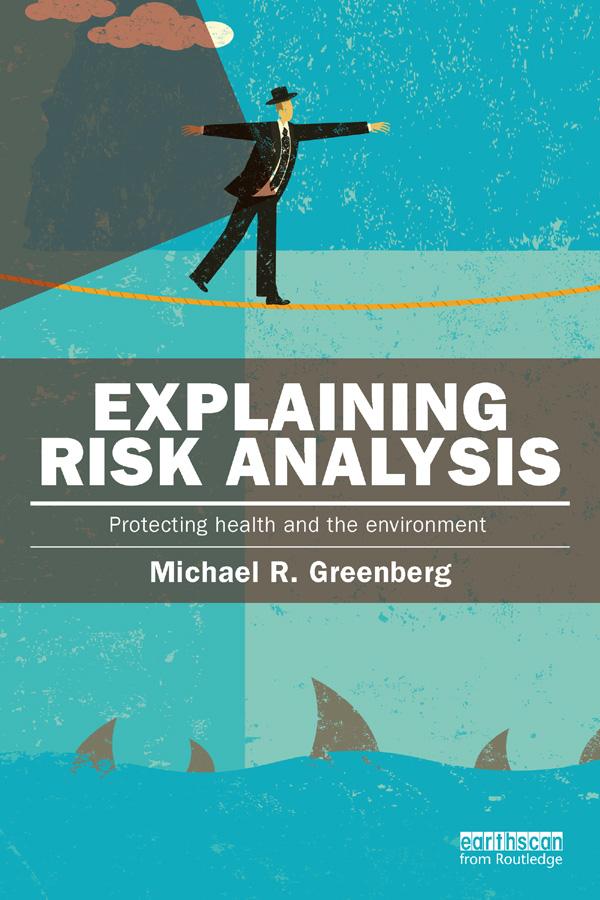
Risk analysis is not a narrowly defined set of applications. Rather, it is widely used to assess and manage a plethora of hazards that threaten dire implications. However, too few people actually understand what risk analysis can help us accomplish and, even among experts, knowledge is often limited to one or two applications.
Explaining Risk Analysis frames risk analysis as a holistic planning process aimed at making better risk-informed decisions and emphasizing the connections between the parts. This framework requires an understanding of basic terms, including explanations of why there is no universal agreement about what risk means, much less risk assessment, risk management and risk analysis. Drawing on a wide range of case studies, the book illustrates the ways in which risk analysis can help lead to better decisions in a variety of scenarios, including the destruction of chemical weapons, management of nuclear waste and the response to passenger rail threats. The book demonstrates how the risk analysis process and the data, models and processes used in risk analysis will clarify, rather than obfuscate, decision-makers’ options.
This book will be of great interest to students and scholars of risk assessment, risk management, public health, environmental science, environmental economics and environmental psychology.
Płać wygodnie kartą, Klarną, Apple Pay lub Google Pay. Nie jesteś zadowolony? Zawsze masz 14-dniową gwarancję zwrotu pieniędzy. Więcej przeczytasz w naszych warunkach. Masz pytania? Napisz do nas na hello@memmo.org.
Memmo ułatwia naukę – gdziekolwiek jesteś na świecie. U nas znajdziesz podręczniki i sprytne narzędzia do nauki w jednym miejscu: streszczenia, quizy, podcasty i fiszki. A do tego Ted, Twój kumpel do nauki, który odpowie na wszystko, co Cię nurtuje. Ponad 50 000 studentów już tu się uczy – stworzone, byś uczył się szybciej i mniej stresował.