
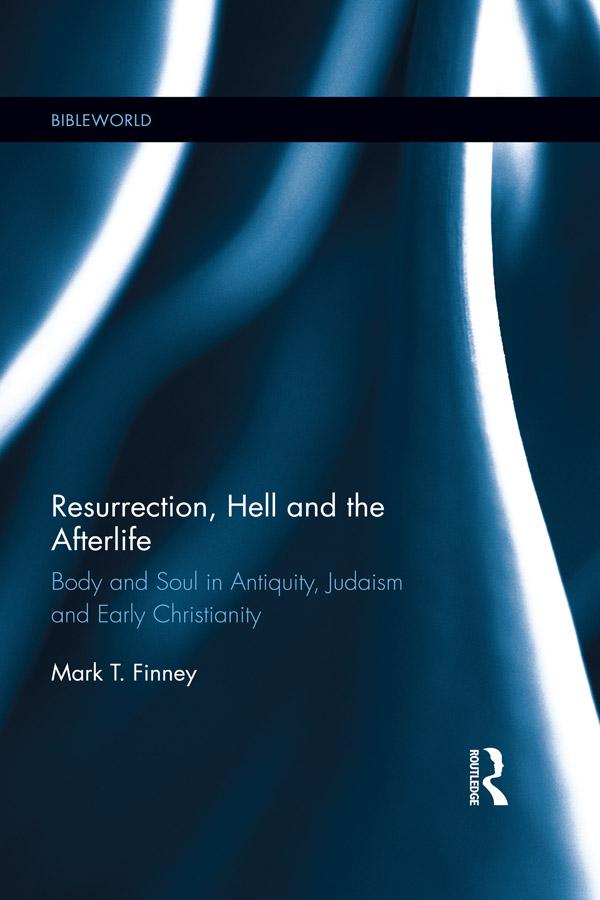
This book begins by arguing that early Greek reflection on the afterlife and immortality insisted on the importance of the physical body whereas a wealth of Jewish texts from the Hebrew Bible, Second Temple Judaism and early (Pauline) Christianity understood post-mortem existence to be that of the soul alone. Changes begin to appear in the later New Testament where the importance of the afterlife of the physical body became essential, and such thoughts continued into the period of the early Church where the significance of the physical body in post-mortem existence became a point of theological orthodoxy. This book will assert that the influx of Greco-Romans into the early Church changed the direction of Christian thought towards one which included the body. At the same time, the ideological and polemical thrust of an eternal tortuous afterlife for the wicked became essential.
Płać wygodnie kartą, Klarną, Apple Pay lub Google Pay. Nie jesteś zadowolony? Zawsze masz 14-dniową gwarancję zwrotu pieniędzy. Więcej przeczytasz w naszych warunkach. Masz pytania? Napisz do nas na hello@memmo.org.
Memmo ułatwia naukę – gdziekolwiek jesteś na świecie. U nas znajdziesz podręczniki i sprytne narzędzia do nauki w jednym miejscu: streszczenia, quizy, podcasty i fiszki. A do tego Ted, Twój kumpel do nauki, który odpowie na wszystko, co Cię nurtuje. Ponad 50 000 studentów już tu się uczy – stworzone, byś uczył się szybciej i mniej stresował.