
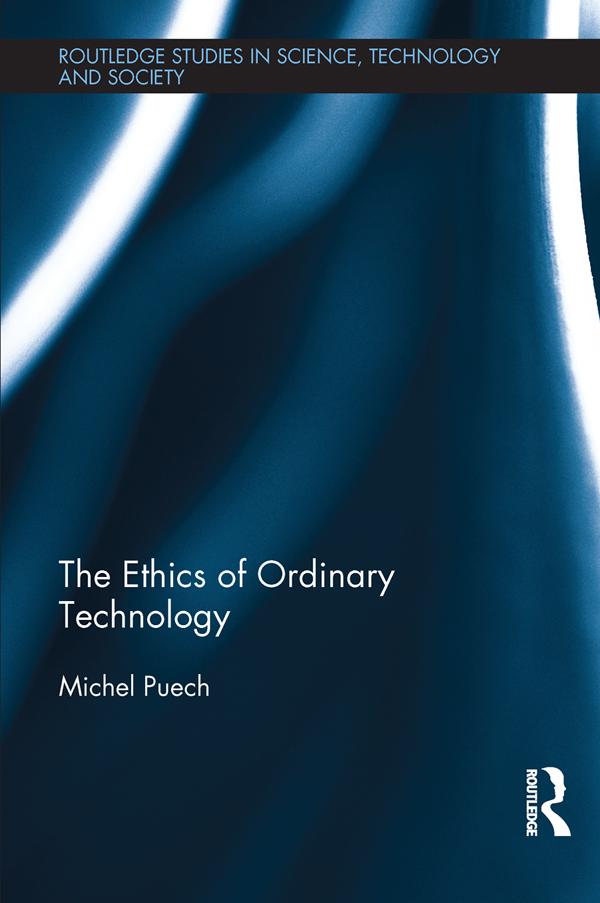
Technology is even more than our world, our form of life, our civilization. Technology interacts with the world to change it. Philosophers need to seriously address the fluidity of a smartphone interface, the efficiency of a Dyson vacuum cleaner, or the familiar noise of an antique vacuum cleaner. Beyond their phenomenological description, the emotional experience acquires moral significance and in some cases even supplies ethical resources for the self. If we leave this dimension of modern experience unaddressed, we may miss something of value in contemporary life.
Combining European humanism, Anglophone pragmatism, and Asian traditions, Michel Puech pleads for an "ethical turn" in the way we understand and address technological issues in modern day society. Puech argues that the question of "power" is what needs to be reconsidered today. In doing so, he provides a three-tier distinction of power: power to modify the outer world (our first-intention method in any case: technology); power over other humans (our enduring obsession: politics and domination); power over oneself (ethics and wisdom).
Płać wygodnie kartą, Klarną, Apple Pay lub Google Pay. Nie jesteś zadowolony? Zawsze masz 14-dniową gwarancję zwrotu pieniędzy. Więcej przeczytasz w naszych warunkach. Masz pytania? Napisz do nas na hello@memmo.org.
Memmo ułatwia naukę – gdziekolwiek jesteś na świecie. U nas znajdziesz podręczniki i sprytne narzędzia do nauki w jednym miejscu: streszczenia, quizy, podcasty i fiszki. A do tego Ted, Twój kumpel do nauki, który odpowie na wszystko, co Cię nurtuje. Ponad 50 000 studentów już tu się uczy – stworzone, byś uczył się szybciej i mniej stresował.