
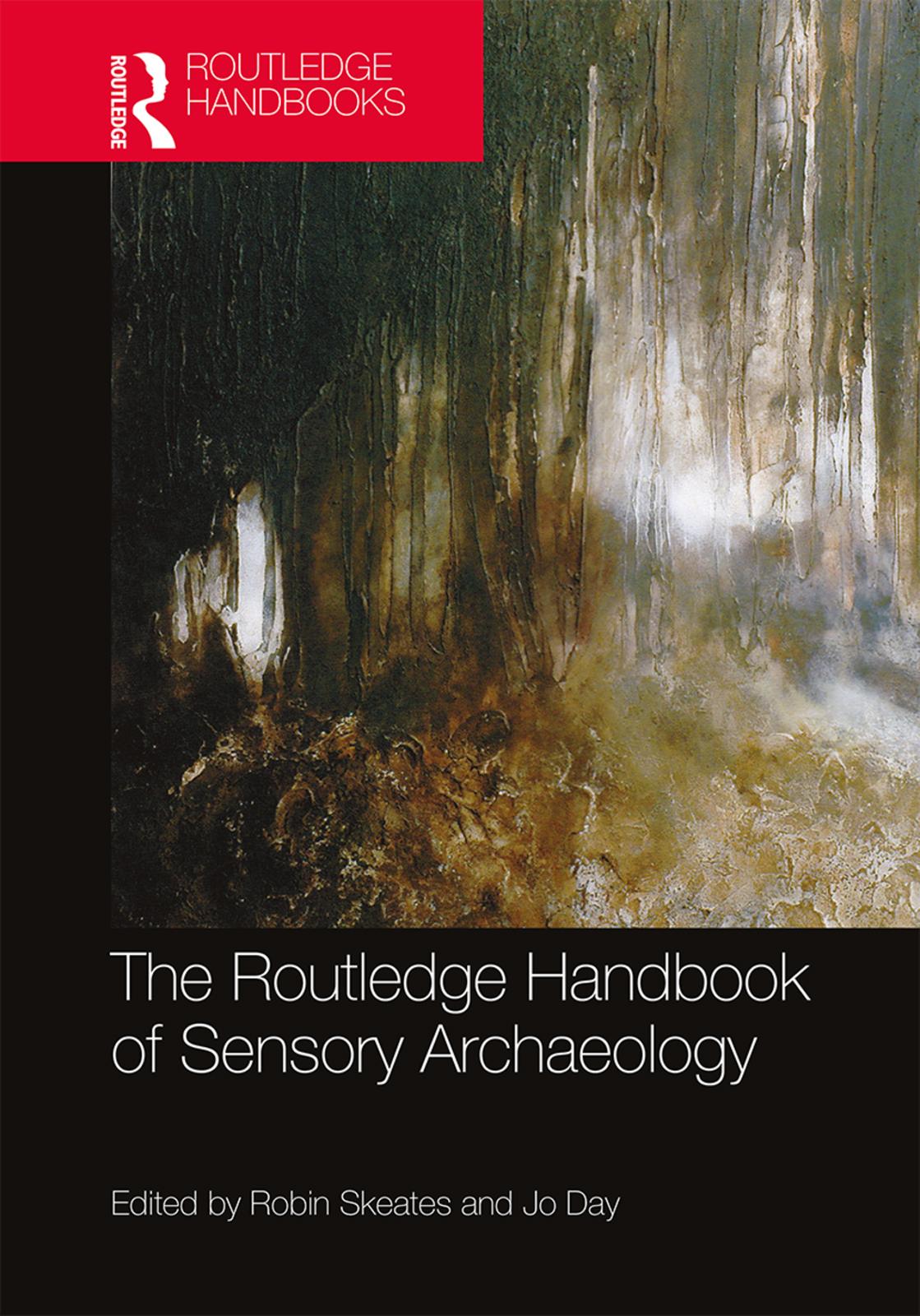
Edited by two pioneers in the field of sensory archaeology, this Handbook comprises a key point of reference for the ever-expanding field of sensory archaeology: one that surpasses previous books in this field, both in scope and critical intent.
This Handbook provides an extensive set of specially commissioned chapters, each of which summarizes and critically reflects on progress made in this dynamic field during the early years of the twenty-first century. The authors identify and discuss the key current concepts and debates of sensory archaeology, providing overviews and commentaries on its methods and its place in interdisciplinary sensual culture studies. Through a set of thematic studies, they explore diverse sensorial practices, contexts and materials, and offer a selection of archaeological case-studies from different parts of the world. In the light of this, the research methods now being brought into the service of sensory archaeology are re-examined.
Of interest to scholars, students and others with an interest in archaeology around the world, this book will be invaluable to archaeologists and is also of relevance to scholars working in disciplines contributing to sensory studies: aesthetics, anthropology, architecture, art history, communication studies, history (including history of science), geography, literary and cultural studies, material culture studies, museology, philosophy, psychology, and sociology.
Płać wygodnie kartą, Klarną, Apple Pay lub Google Pay. Nie jesteś zadowolony? Zawsze masz 14-dniową gwarancję zwrotu pieniędzy. Więcej przeczytasz w naszych warunkach. Masz pytania? Napisz do nas na hello@memmo.org.
Memmo ułatwia naukę – gdziekolwiek jesteś na świecie. U nas znajdziesz podręczniki i sprytne narzędzia do nauki w jednym miejscu: streszczenia, quizy, podcasty i fiszki. A do tego Ted, Twój kumpel do nauki, który odpowie na wszystko, co Cię nurtuje. Ponad 50 000 studentów już tu się uczy – stworzone, byś uczył się szybciej i mniej stresował.