
Water is an irreplaceable and transient resource, which crosses political boundaries in the form of rivers, lakes, and groundwater aquifers. The collapse of the Soviet Union in 1991, led to the birth of fifteen countries including the five Central Asian republics, Kazakhstan, Kyrgyzstan, Tajikistan, Turkmenistan and Uzbekistan. When the USSR ceased to exist, so did the centralised Soviet resource distribution system that managed the exchange and allocation of water, energy, and food supplies. A whole new set of international relations emerged, and the newly formed Central Asian governments had to redefine the policies related to the exchange and sharing of their natural resources.
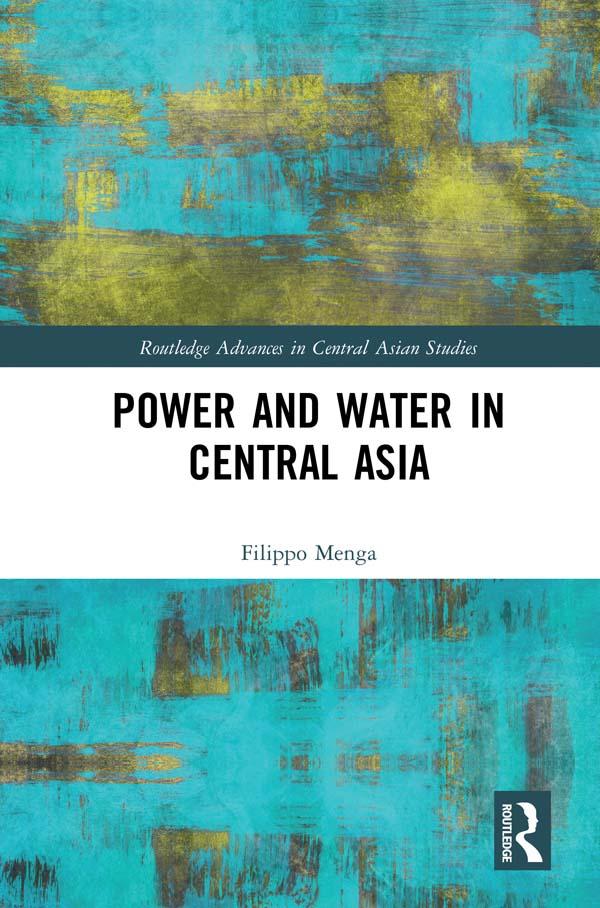
This book analyses the role of state power in transboundary water relations. It provides an in–depth study of the evolution of interstate relations in Central Asia in the field of water from 1991-2015. Taking as a case study the planned construction of the Rogun and Kambarata dams in Tajikistan and Kyrgyzstan, the author examines various forms of overt and covert power shaping interstate relations and the way hegemonic and counter-hegemonic measures are put in place in an international river basin. He argues that the intimate correlation between the concepts of power and hegemony can offer key insights to the analysis and understanding of transboundary water relations. While the analytical focus is placed on state power, the book demonstrates that hegemonic and counter-hegemonic tactics represent the ways in which power is wielded and observed.
Offering fresh theoretical interpretations to the subjects of power and counter-hegemony in the Aral Sea basin, this book puts forward the original circle of hydro-hegemony, an analytical framework in which the various forms of power are connective in the function of hegemony. It will be of interest to scholars in the field of water and environmental politics and Central Asian Studies.
Płać wygodnie kartą, Klarną, Apple Pay lub Google Pay. Nie jesteś zadowolony? Zawsze masz 14-dniową gwarancję zwrotu pieniędzy. Więcej przeczytasz w naszych warunkach. Masz pytania? Napisz do nas na hello@memmo.org.
Memmo ułatwia naukę – gdziekolwiek jesteś na świecie. U nas znajdziesz podręczniki i sprytne narzędzia do nauki w jednym miejscu: streszczenia, quizy, podcasty i fiszki. A do tego Ted, Twój kumpel do nauki, który odpowie na wszystko, co Cię nurtuje. Ponad 50 000 studentów już tu się uczy – stworzone, byś uczył się szybciej i mniej stresował.