
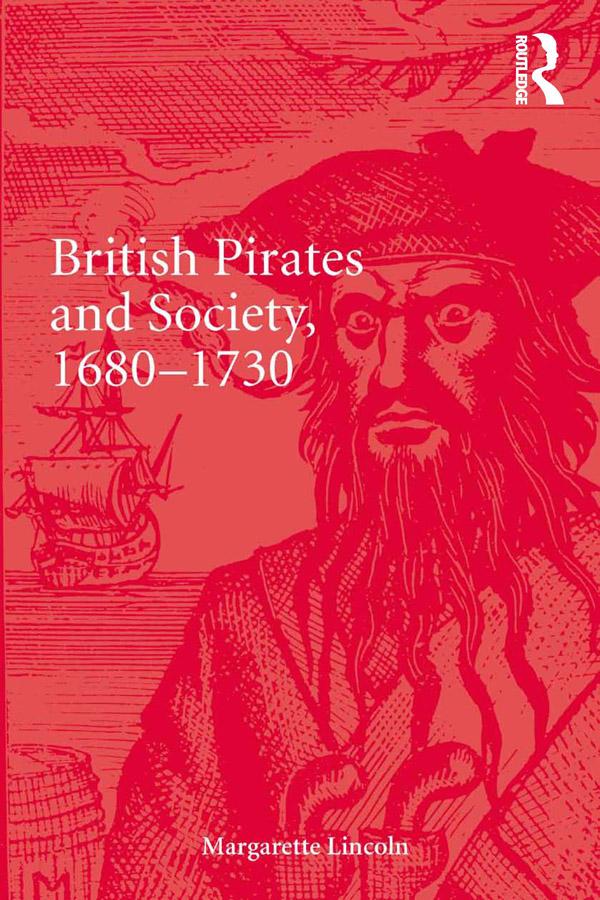
This book shows how pirates were portrayed in their own time, in trial reports, popular prints, novels, legal documents, sermons, ballads and newspaper accounts. It examines how attitudes towards them changed with Britain’s growing imperial power, exploring the interface between political ambition and personal greed, between civil liberties and the power of the state. It throws light on contemporary ideals of leadership and masculinity - some pirate voyages qualifying as feats of seamanship and endurance. Unusually, it also gives insights into the domestic life of pirates and investigates the experiences of women whose husbands turned pirate or were captured for piracy. Pirate voyages contributed to British understanding of trans-oceanic navigation, patterns of trade and different peoples in remote parts of the world. This knowledge advanced imperial expansion and British control of trade routes, which helps to explain why contemporary attitudes towards piracy were often ambivalent. This is an engaging study of vested interests and conflicting ideologies. It offers comparisons with our experience of piracy today and shows how the historic representation of pirate behaviour can illuminate other modern preoccupations, including gang culture.
Płać wygodnie kartą, Klarną, Apple Pay lub Google Pay. Nie jesteś zadowolony? Zawsze masz 14-dniową gwarancję zwrotu pieniędzy. Więcej przeczytasz w naszych warunkach. Masz pytania? Napisz do nas na hello@memmo.org.
Memmo ułatwia naukę – gdziekolwiek jesteś na świecie. U nas znajdziesz podręczniki i sprytne narzędzia do nauki w jednym miejscu: streszczenia, quizy, podcasty i fiszki. A do tego Ted, Twój kumpel do nauki, który odpowie na wszystko, co Cię nurtuje. Ponad 50 000 studentów już tu się uczy – stworzone, byś uczył się szybciej i mniej stresował.
Może Ci się spodobać
Kup książkę0