
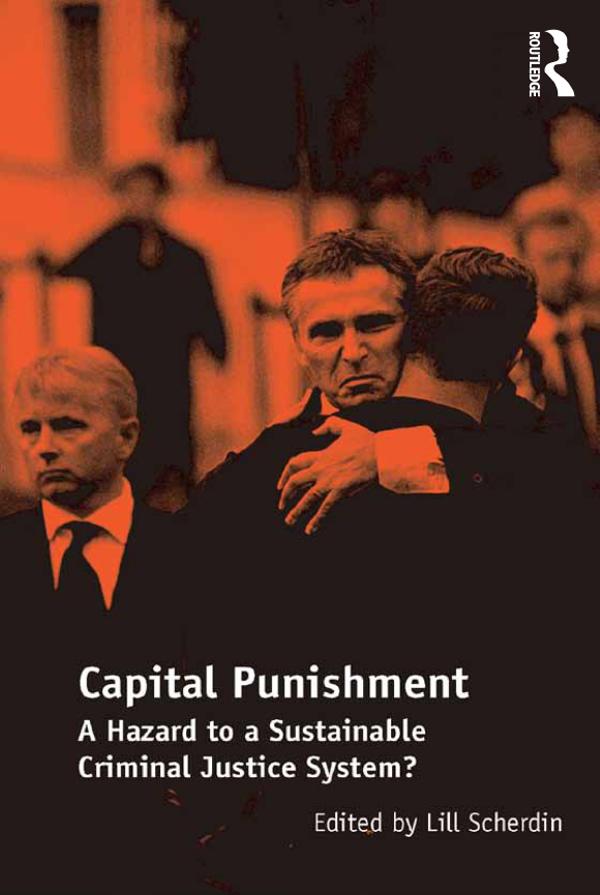
As most jurisdictions move away from the death penalty, some remain strongly committed to it, while others hold on to it but use it sparingly. This volume seeks to understand why, by examining the death penalty’s relationship to state governance in the past and present. It also examines how international, transnational and national forces intersect in order to understand the possibilities of future death penalty abolition. The chapters cover the USA - the only western democracy that still uses the death penalty - and Asia - the site of some 90 per cent of all executions. Also included are discussions of the death penalty in Islam and its practice in selected Muslim majority countries. There is also a comparative chapter departing from the response to the mass killings in Norway in 2011. Leading experts in law, criminology and human rights combine theory and empirical research to further our understanding of the relationships between ways of governance, the role of leadership and the death penalty practices. This book questions whether the death penalty in and of itself is a hazard to a sustainable development of criminal justice. It is an invaluable resource for all those researching and campaigning for the global abolition of capital punishment.
Płać wygodnie kartą, Klarną, Apple Pay lub Google Pay. Nie jesteś zadowolony? Zawsze masz 14-dniową gwarancję zwrotu pieniędzy. Więcej przeczytasz w naszych warunkach. Masz pytania? Napisz do nas na hello@memmo.org.
Memmo ułatwia naukę – gdziekolwiek jesteś na świecie. U nas znajdziesz podręczniki i sprytne narzędzia do nauki w jednym miejscu: streszczenia, quizy, podcasty i fiszki. A do tego Ted, Twój kumpel do nauki, który odpowie na wszystko, co Cię nurtuje. Ponad 50 000 studentów już tu się uczy – stworzone, byś uczył się szybciej i mniej stresował.
Może Ci się spodobać
Kup książkę0