
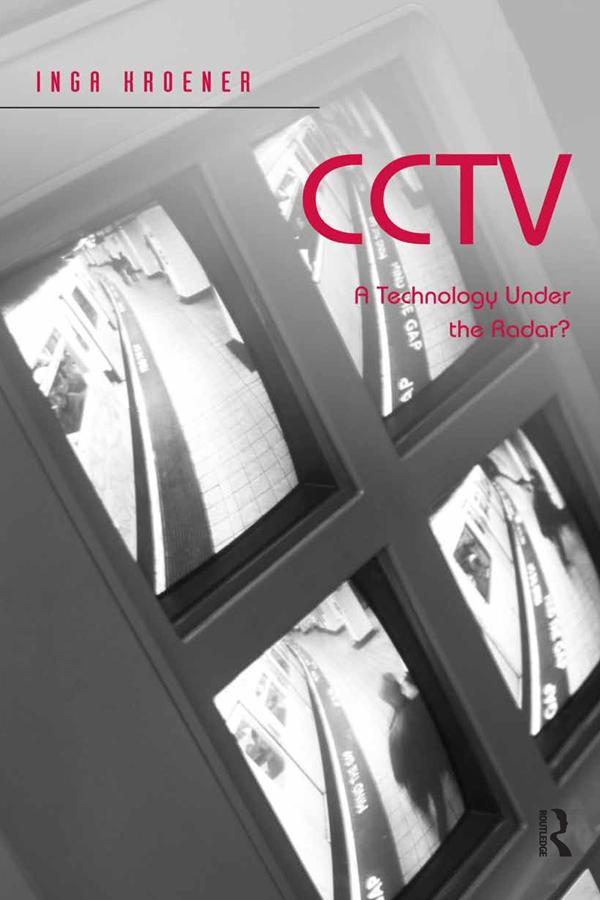
Central state and non-covert surveillance began in earnest at the start of the twentieth century. By the start of the twenty-first century, the UK was one of the most surveilled societies on earth. This groundbreaking volume by Inga Kroener analyses the particular combination of factors that have created this surveillance state. Kroener argues against the inevitability of the rise of CCTV that is so often found in this literature, to map out the early history of CCTV, tracing its development from a tool for education, safety and transport during the 1950s, to one of politics in the 1970s and 1980s, to eventually become a tool of surveillance during the 1990s. Within this analysis, the complex role of the public in 'allowing' the widespread and rapid dissemination of CCTV is discussed and the representation of CCTV in the media is also studied. This volume will be of interest to all scholars working in the fields of surveillance studies; science, technology and society departments; and social historians more generally.
Płać wygodnie kartą, Klarną, Apple Pay lub Google Pay. Nie jesteś zadowolony? Zawsze masz 14-dniową gwarancję zwrotu pieniędzy. Więcej przeczytasz w naszych warunkach. Masz pytania? Napisz do nas na hello@memmo.org.
Memmo ułatwia naukę – gdziekolwiek jesteś na świecie. U nas znajdziesz podręczniki i sprytne narzędzia do nauki w jednym miejscu: streszczenia, quizy, podcasty i fiszki. A do tego Ted, Twój kumpel do nauki, który odpowie na wszystko, co Cię nurtuje. Ponad 50 000 studentów już tu się uczy – stworzone, byś uczył się szybciej i mniej stresował.
Może Ci się spodobać
Kup książkę0