
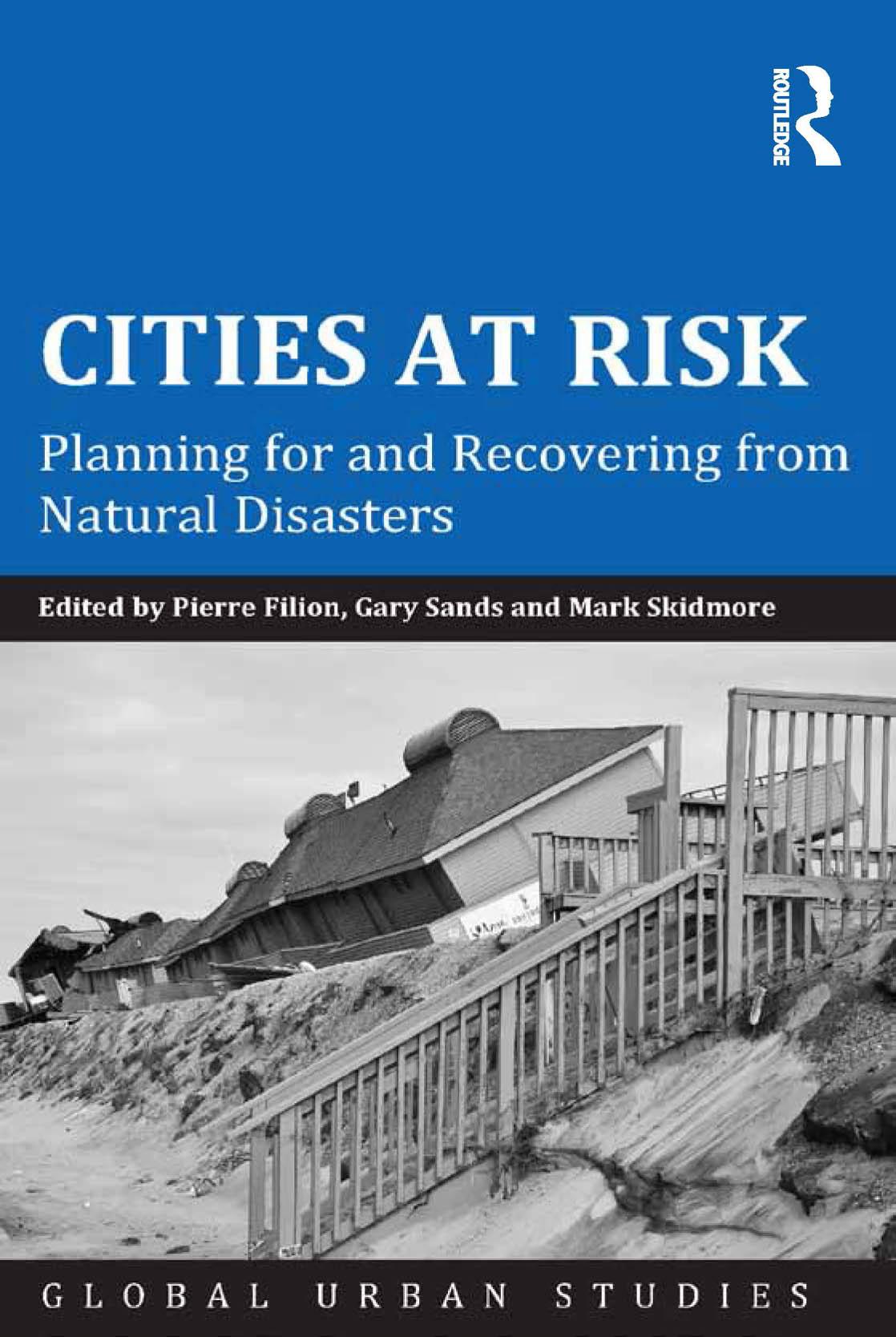
As levels of urbanization increase around the world, the growing concentrations of population and economic activity increases vulnerability to natural disasters. Interdependencies among urban populations mean that damage to the built environment, including water, sewer and energy infrastructure, can affect millions. Even if there is no change in the rate of occurrence of natural disasters (an unlikely prospect in the face of ongoing climate change) the potential for human and economic loss will continue to increase, along with the time required to recover. How do cities prepare for and recover from natural disasters? In this book, the authors provide a broad overview of the issues related to the impacts of disasters on cities around the world, from assessing risks to accounting for damages. The comparative approach across different types of disasters in a range of urban locations is useful in identifying opportunities for policy transfer. While there is no ’one size fits all’ solution to hazard mitigation, valuable lessons can be learned from the experiences of others. The chapters emphasize different modes for assessing hazard risk, as well as strategies for increasing the resiliency of vulnerable populations.
Płać wygodnie kartą, Klarną, Apple Pay lub Google Pay. Nie jesteś zadowolony? Zawsze masz 14-dniową gwarancję zwrotu pieniędzy. Więcej przeczytasz w naszych warunkach. Masz pytania? Napisz do nas na hello@memmo.org.
Memmo ułatwia naukę – gdziekolwiek jesteś na świecie. U nas znajdziesz podręczniki i sprytne narzędzia do nauki w jednym miejscu: streszczenia, quizy, podcasty i fiszki. A do tego Ted, Twój kumpel do nauki, który odpowie na wszystko, co Cię nurtuje. Ponad 50 000 studentów już tu się uczy – stworzone, byś uczył się szybciej i mniej stresował.
Może Ci się spodobać
Kup książkę0