
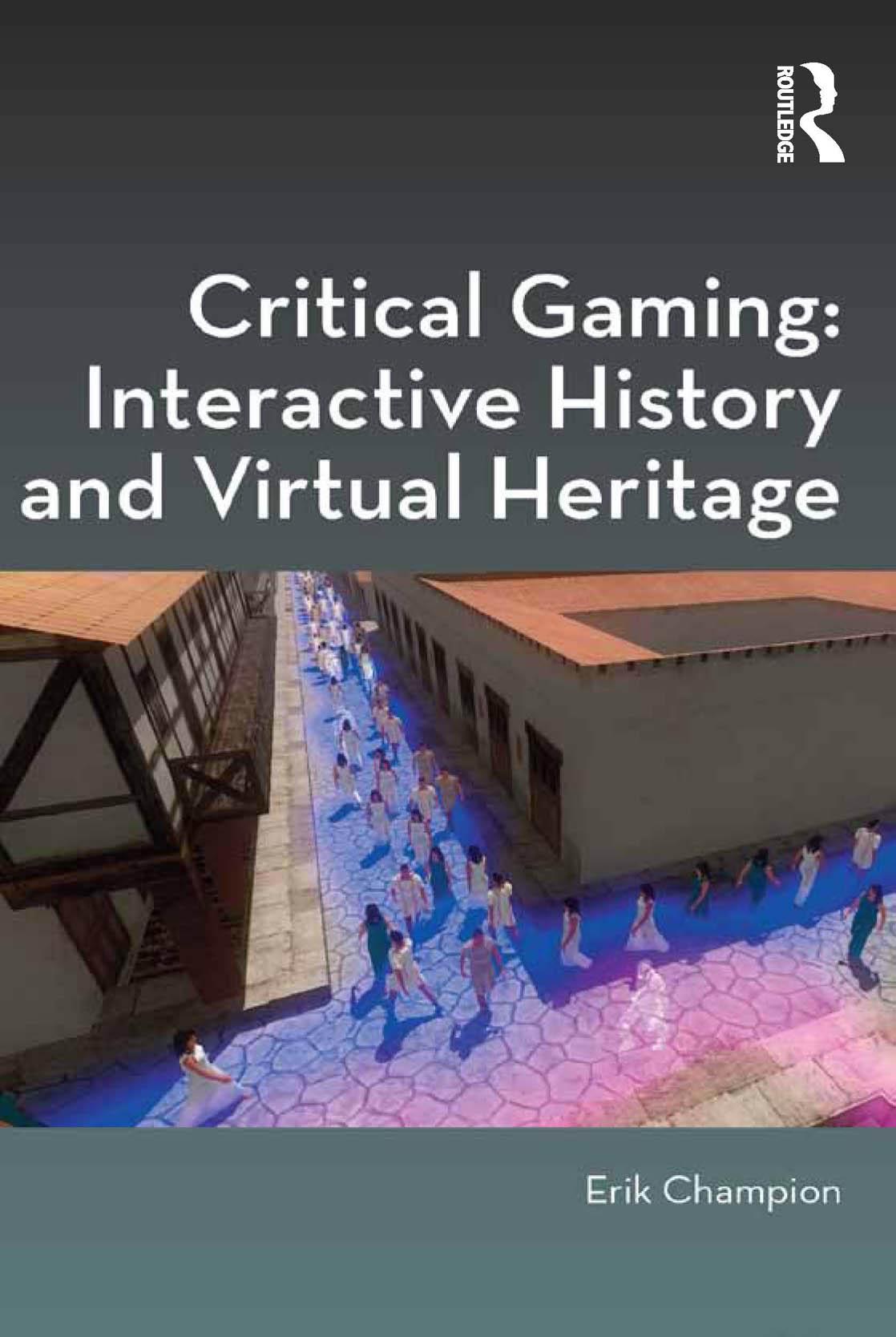
This book explains how designing, playing and modifying computer games, and understanding the theory behind them, can strengthen the area of digital humanities. This book aims to help digital humanities scholars understand both the issues and also advantages of game design, as well as encouraging them to extend the field of computer game studies, particularly in their teaching and research in the field of virtual heritage. By looking at re-occurring issues in the design, playtesting and interface of serious games and game-based learning for cultural heritage and interactive history, this book highlights the importance of visualisation and self-learning in game studies and how this can intersect with digital humanities. It also asks whether such theoretical concepts can be applied to practical learning situations. It will be of particular interest to those who wish to investigate how games and virtual environments can be used in teaching and research to critique issues and topics in the humanities, particularly in virtual heritage and interactive history.
Płać wygodnie kartą, Klarną, Apple Pay lub Google Pay. Nie jesteś zadowolony? Zawsze masz 14-dniową gwarancję zwrotu pieniędzy. Więcej przeczytasz w naszych warunkach. Masz pytania? Napisz do nas na hello@memmo.org.
Memmo ułatwia naukę – gdziekolwiek jesteś na świecie. U nas znajdziesz podręczniki i sprytne narzędzia do nauki w jednym miejscu: streszczenia, quizy, podcasty i fiszki. A do tego Ted, Twój kumpel do nauki, który odpowie na wszystko, co Cię nurtuje. Ponad 50 000 studentów już tu się uczy – stworzone, byś uczył się szybciej i mniej stresował.
Może Ci się spodobać
Kup książkę0