
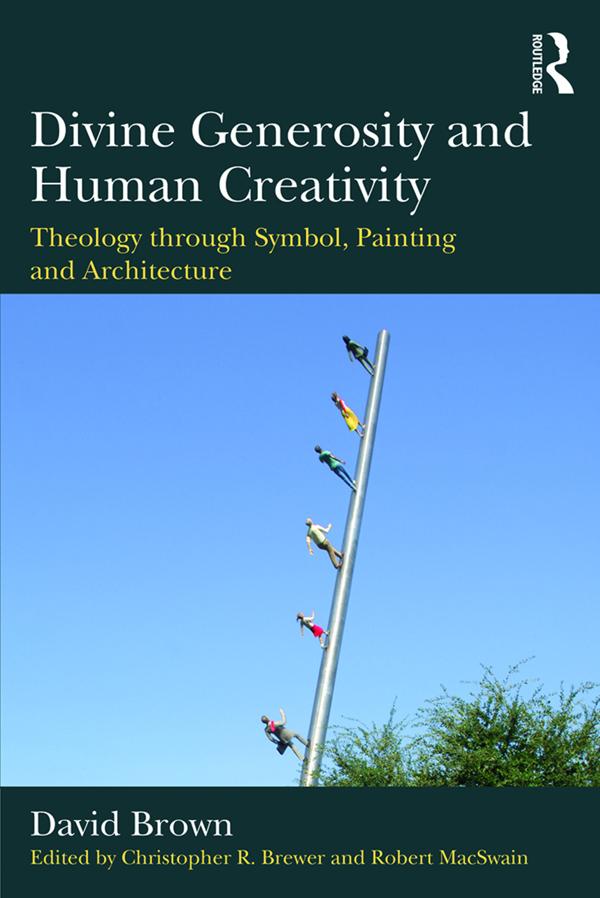
Partly in a desire to defend divine freedom and partly because it is seen as the only way of preserving a distinctive voice for theology, much contemporary theology has artificially restricted revelation and religious experience, effectively cutting off those who find God beyond the walls of the Church. Against this tendency, David Brown argues for divine generosity and a broader vision of reality that sees God deploying symbols (literary, visual and sacramental) as a means of mediating between the divine world and our own material existence. A sustained argument for divine interaction and more specifically the ways in which God speaks in the wider imaginative world, this volume calls for a careful listening exercise since symbols are richer and more open in their possibilities than their users often suppose. Not only is this true of the imagery of Scripture, even inanimate objects like buildings or hostile but creative artists can have important things to say to the believing Christian. An ideal introduction that also moves the conversation forward, this volume addresses foundations, the multivalent power of symbols, artists as theologians and meaning in religious architecture.
Płać wygodnie kartą, Klarną, Apple Pay lub Google Pay. Nie jesteś zadowolony? Zawsze masz 14-dniową gwarancję zwrotu pieniędzy. Więcej przeczytasz w naszych warunkach. Masz pytania? Napisz do nas na hello@memmo.org.
Memmo ułatwia naukę – gdziekolwiek jesteś na świecie. U nas znajdziesz podręczniki i sprytne narzędzia do nauki w jednym miejscu: streszczenia, quizy, podcasty i fiszki. A do tego Ted, Twój kumpel do nauki, który odpowie na wszystko, co Cię nurtuje. Ponad 50 000 studentów już tu się uczy – stworzone, byś uczył się szybciej i mniej stresował.