
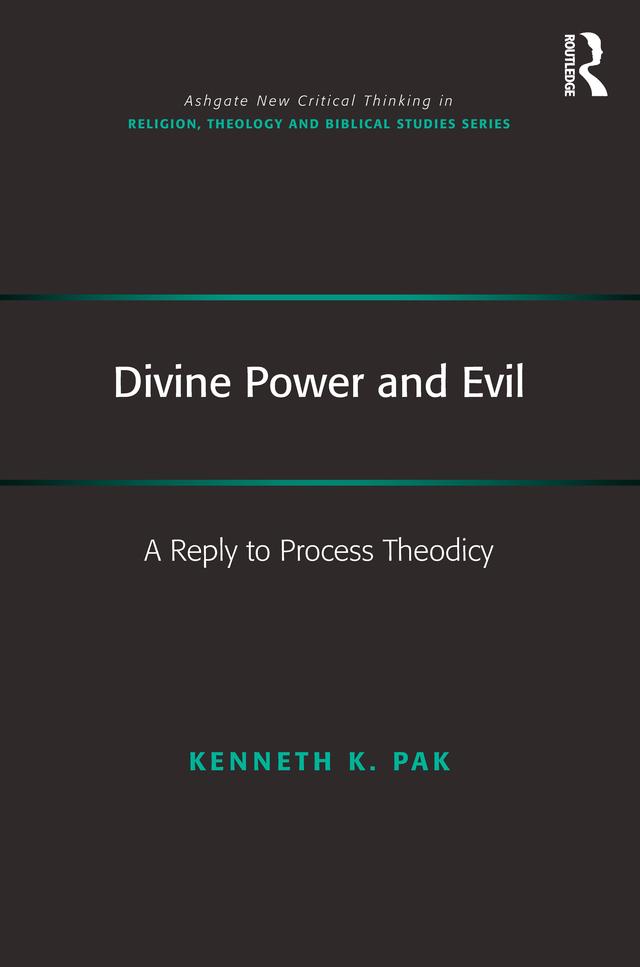
Evil perplexes us all and threatens to undermine the meaningfulness of our existence. How can we reconcile the reality of evil with the notion of a God who is perfectly good and powerful? Process theodicy, whose foremost proponent is David Griffin, suggests one answer: because every being possesses its own power of self-determination in order for God to attain the divine aim of higher goodness for the world, God must take the risk of the possibility of evil. Divine Power and Evil responds to Griffin's criticisms against traditional theodicy, assesses the merits of process theodicy, and points out ways in which traditional theism could incorporate a number of Griffin's valuable insights in progressing toward a philosophically and theologically satisfactory theodicy. It provides a new and important contribution to a long-standing debate within philosophy of religion and theology.
Płać wygodnie kartą, Klarną, Apple Pay lub Google Pay. Nie jesteś zadowolony? Zawsze masz 14-dniową gwarancję zwrotu pieniędzy. Więcej przeczytasz w naszych warunkach. Masz pytania? Napisz do nas na hello@memmo.org.
Memmo ułatwia naukę – gdziekolwiek jesteś na świecie. U nas znajdziesz podręczniki i sprytne narzędzia do nauki w jednym miejscu: streszczenia, quizy, podcasty i fiszki. A do tego Ted, Twój kumpel do nauki, który odpowie na wszystko, co Cię nurtuje. Ponad 50 000 studentów już tu się uczy – stworzone, byś uczył się szybciej i mniej stresował.