
Zanim poznałem Memmo, moje notatki były rozrzucone po PDF-ach. Teraz obszar roboczy zbiera wszystko w jednym miejscu — widzę dokładnie, co jeszcze muszę powtórzyć.
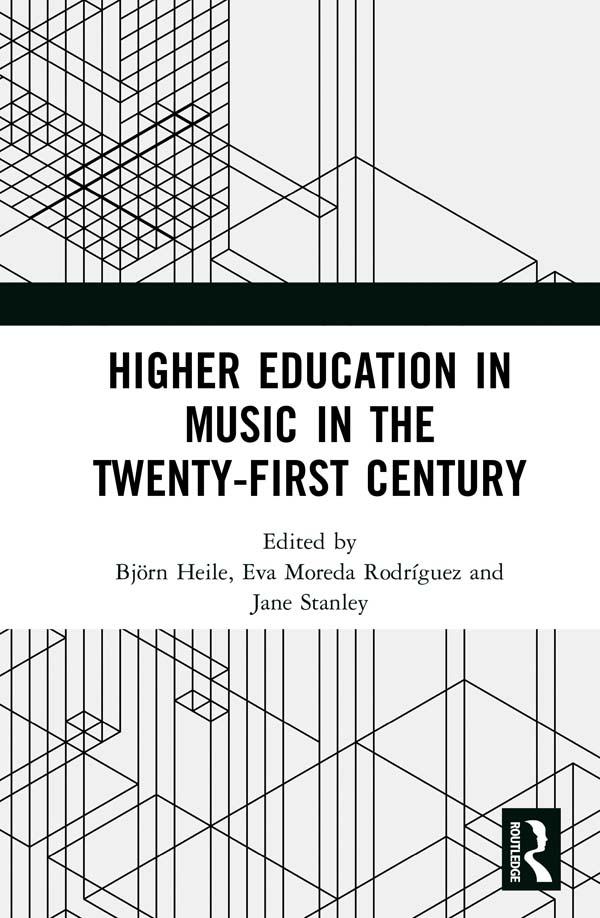
In this book, the contributors reconsider the fundamentals of Music as a university discipline by engaging with the questions: What should university study of music consist of? Are there any aspects, repertoires, pieces, composers and musicians that we want all students to know about? Are there any skills that we expect them to be able to master? How can we guarantee the relevance, rigour and cohesiveness of our curriculum? What is specific to higher education in music and what does it mean now and for the future? The book addresses many of the challenges students and teachers face in current higher education; indeed, the majority of today’s music students undoubtedly encounter a greater diversity of musical traditions and critical approaches to their study as well as a wider set of skills than their forebears. Welcome as these developments may be, they pose some risks too: more material cannot be added to the curriculum without either sacrificing depth for breadth or making much of it optional. The former provides students with a superficial and deceptive familiarity with a wide range of subject matter, but without the analytical skills and intellectual discipline required to truly master any of it. The latter easily results in a fragmentation of knowledge and skills, without a realistic opportunity for students to draw meaningful connections and arrive at a synthesis.
The authors, Music academics from the University of Glasgow, provide case studies from their own extensive experience, which are complemented by an Afterword from Nicholas Cook, 1684 Professor of Music at the University of Cambridge. Together, they examine what students can and should learn about and from music and what skills and knowledge music graduates could or should possess in order to operate successfully in professional and public life. Coupled with these considerations are reflections on music’s social function and universities’ role in public life, concluding with the conviction that a university education in music is more than a personal investment in one’s future; it contributes to the public good.
Zanim poznałem Memmo, moje notatki były rozrzucone po PDF-ach. Teraz obszar roboczy zbiera wszystko w jednym miejscu — widzę dokładnie, co jeszcze muszę powtórzyć.
Podsumowania Memmo to złoto przed egzaminami. Nie muszę czytać 800 stron dwa tygodnie wcześniej — tylko to, co najważniejsze.
Czat AI uratował mnie niejeden raz w noc przed egzaminem. Pytam, dopóki nie zrozumiem — i nie muszę czekać na odpowiedź od grupy studyjnej.
Quizy trafiają w punkt, jeśli chodzi o to, co muszę wiedzieć. Memmo śledzi, na czym się zacinam — więc ćwiczę tylko to, co naprawdę się liczy.
Fiszki z powtórkami rozłożonymi w czasie to magia. Memmo wie, kiedy mam coś zapomnieć i przypomina mi o tym.
Podcasty AI to mój faworyt. Słucham w drodze do szkoły i powtarzam materiał, nie siedząc przed komputerem.

Handbok i kvalitativa metoder
281 kr

Hållbar utveckling: en introduktion för ingenjörer och andra problemlösare
334 kr

Brymans Samhällsvetenskapliga metoder
390 kr

Projektledning
491 kr

Den orättvisa hälsan: om socioekonomiska skillnader i hälsa och livslängd
326 kr

Organizational Leadership
429 kr

Vetenskapsteori för nybörjare
196 kr

På väg mot läraryrket
172 kr

Det sociala livet i skolan: Socialpsykologiska perspektiv
253 kr

Betygsättningens didaktik
151 kr

Personality
402 kr

Studying Leadership
404 kr

Managing Innovation
477 kr

Introduktion till samhällsvetenskaplig metod
347 kr

The Psychology of Sex and Gender
698 kr

Evidens och kunskap för socialt arbete
207 kr

Introduction to Leadership
605 kr