
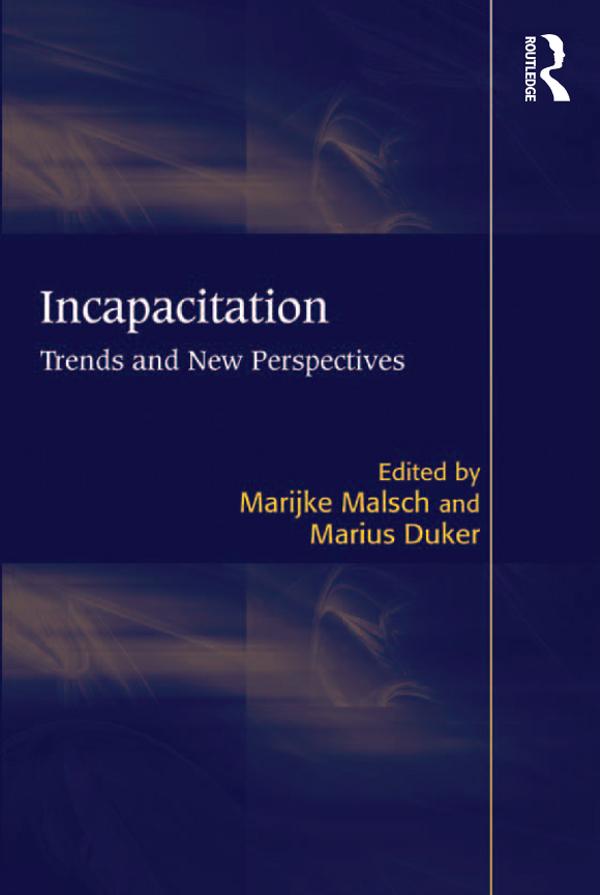
In many criminal justice systems a new trend towards incapacitation can be witnessed. A ubiquitous want for control seems to have emerged as a consequence of perceived safety risks. This can be seen not only in the mass incarceration of offenders but also in the disqualification of offenders from jobs, in chemical castration in cases of sexual crimes, the increased use of electronic monitoring and in the life-long monitoring of individuals who pose certain risks. Trends towards incapacitation are now even spreading to public administration and the employment sector, in the refusal of licenses and the rejection of employees with past criminal records. This book discusses the topic of incapacitation from various angles and perspectives. It explores how theories of punishment are affected by the more recent emphasis on incapacitation and how criminal justice practice is changing as a consequence of this new emphasis. Many contributors express criticisms with this trend towards incapacitation. They argue for a better calibration of measures to the severity of the misconduct. In addressing an increasingly important development in criminal justice, the book will be an essential resource for students, researchers, and policy-makers working in the areas of criminal law, sentencing, probation and crime prevention.
Płać wygodnie kartą, Klarną, Apple Pay lub Google Pay. Nie jesteś zadowolony? Zawsze masz 14-dniową gwarancję zwrotu pieniędzy. Więcej przeczytasz w naszych warunkach. Masz pytania? Napisz do nas na hello@memmo.org.
Memmo ułatwia naukę – gdziekolwiek jesteś na świecie. U nas znajdziesz podręczniki i sprytne narzędzia do nauki w jednym miejscu: streszczenia, quizy, podcasty i fiszki. A do tego Ted, Twój kumpel do nauki, który odpowie na wszystko, co Cię nurtuje. Ponad 50 000 studentów już tu się uczy – stworzone, byś uczył się szybciej i mniej stresował.
Może Ci się spodobać
Kup książkę0