
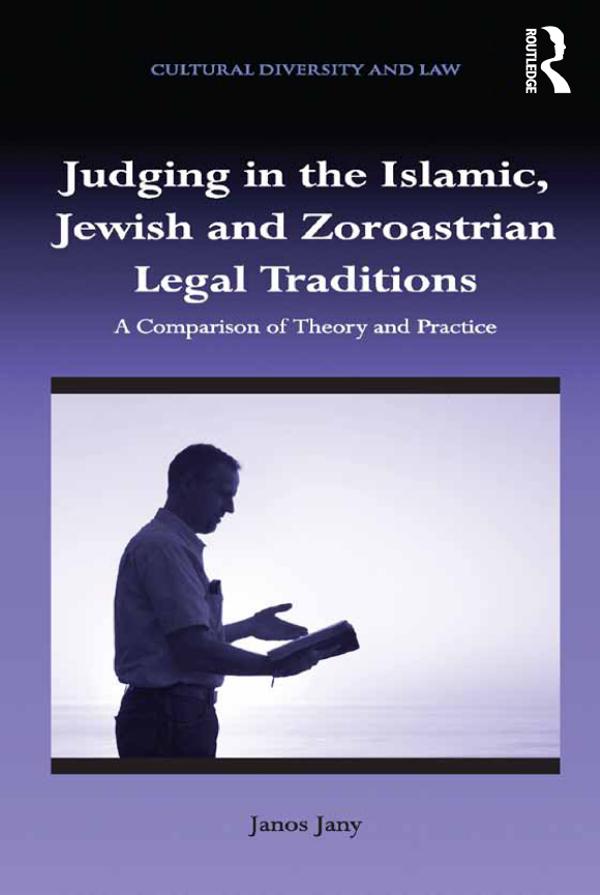
This book presents a comparative analysis of the judiciary in the Islamic, Jewish and Zoroastrian legal systems. It compares postulations of legal theory to legal practice in order to show that social practice can diverge significantly from religious and legal principles. It thus provides a greater understanding of the real functions of religion in these legal systems, regardless of the dogmatic positions of the religions themselves. The judiciary is the focus of the study as it is the judge who is obliged to administer to legal texts while having to consider social realities being sometimes at variance with religious ethics and legal rules deriving from them. This book fills a gap in the literature examining Islamic, Jewish and Zoroastrian law and as such will open new possibilities for further studies in the field of comparative law. It will be a valuable resource for those working in the areas of comparative law, law and religion, law and society, and legal anthropology.
Płać wygodnie kartą, Klarną, Apple Pay lub Google Pay. Nie jesteś zadowolony? Zawsze masz 14-dniową gwarancję zwrotu pieniędzy. Więcej przeczytasz w naszych warunkach. Masz pytania? Napisz do nas na hello@memmo.org.
Memmo ułatwia naukę – gdziekolwiek jesteś na świecie. U nas znajdziesz podręczniki i sprytne narzędzia do nauki w jednym miejscu: streszczenia, quizy, podcasty i fiszki. A do tego Ted, Twój kumpel do nauki, który odpowie na wszystko, co Cię nurtuje. Ponad 50 000 studentów już tu się uczy – stworzone, byś uczył się szybciej i mniej stresował.
Może Ci się spodobać
Kup książkę0