
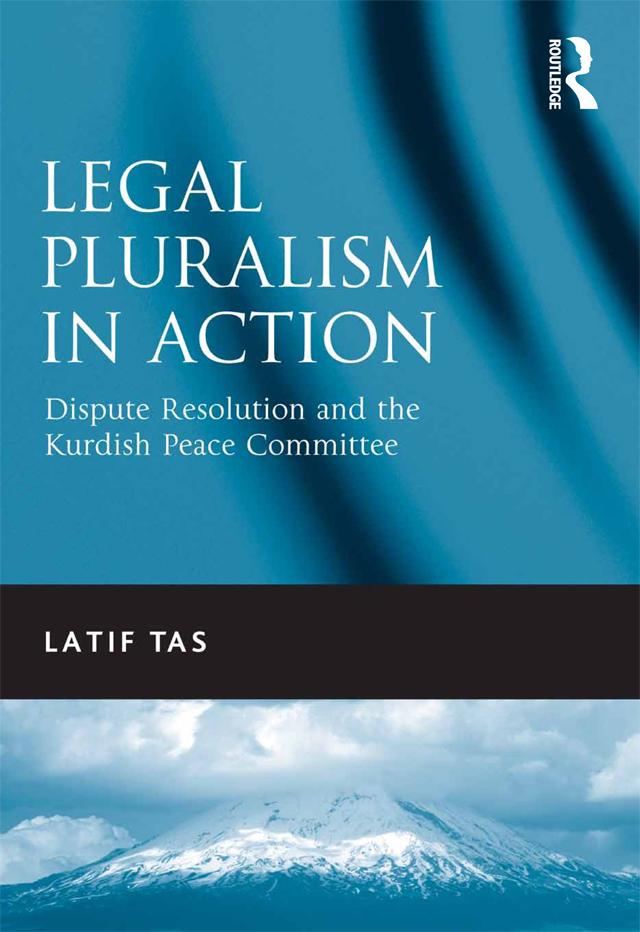
This groundbreaking book contributes to, and refocuses, public debates about the incorporation of plural approaches into the English legal system. The book specifically advances the recent, largely theoretical, discussions of Sharia legal practice by examining a secular method of dispute resolution as practised by the Kurdish Peace Committee in London. Following migration to the West, many Kurds still adhere to traditional values and norms. Building on these, they have adapted their customary legal practices to create unofficial legal courts and other forms of legal hybridisation. These practical solutions to the challenges of a pluralistic life are seen by Kurdish communities in the UK as applicable not only to British and transnational daily life, but also as a training ground for institutions in a possible future Kurdish state. The study provides a substantive evidence base using extensive ethnographic data about the workings of the Kurdish Peace Committee, examining detailed case studies in the context of the customs and practices of the Kurdish community. Based on an ethnographic and interdisciplinary approach, this book will be of interest to policy makers, socio-legal professionals, students and scholars of legal anthropology, ethnic minority law, transnationalism, diaspora, Kurdish, Turkish and Middle Eastern studies.
Płać wygodnie kartą, Klarną, Apple Pay lub Google Pay. Nie jesteś zadowolony? Zawsze masz 14-dniową gwarancję zwrotu pieniędzy. Więcej przeczytasz w naszych warunkach. Masz pytania? Napisz do nas na hello@memmo.org.
Memmo ułatwia naukę – gdziekolwiek jesteś na świecie. U nas znajdziesz podręczniki i sprytne narzędzia do nauki w jednym miejscu: streszczenia, quizy, podcasty i fiszki. A do tego Ted, Twój kumpel do nauki, który odpowie na wszystko, co Cię nurtuje. Ponad 50 000 studentów już tu się uczy – stworzone, byś uczył się szybciej i mniej stresował.
Może Ci się spodobać
Kup książkę0