
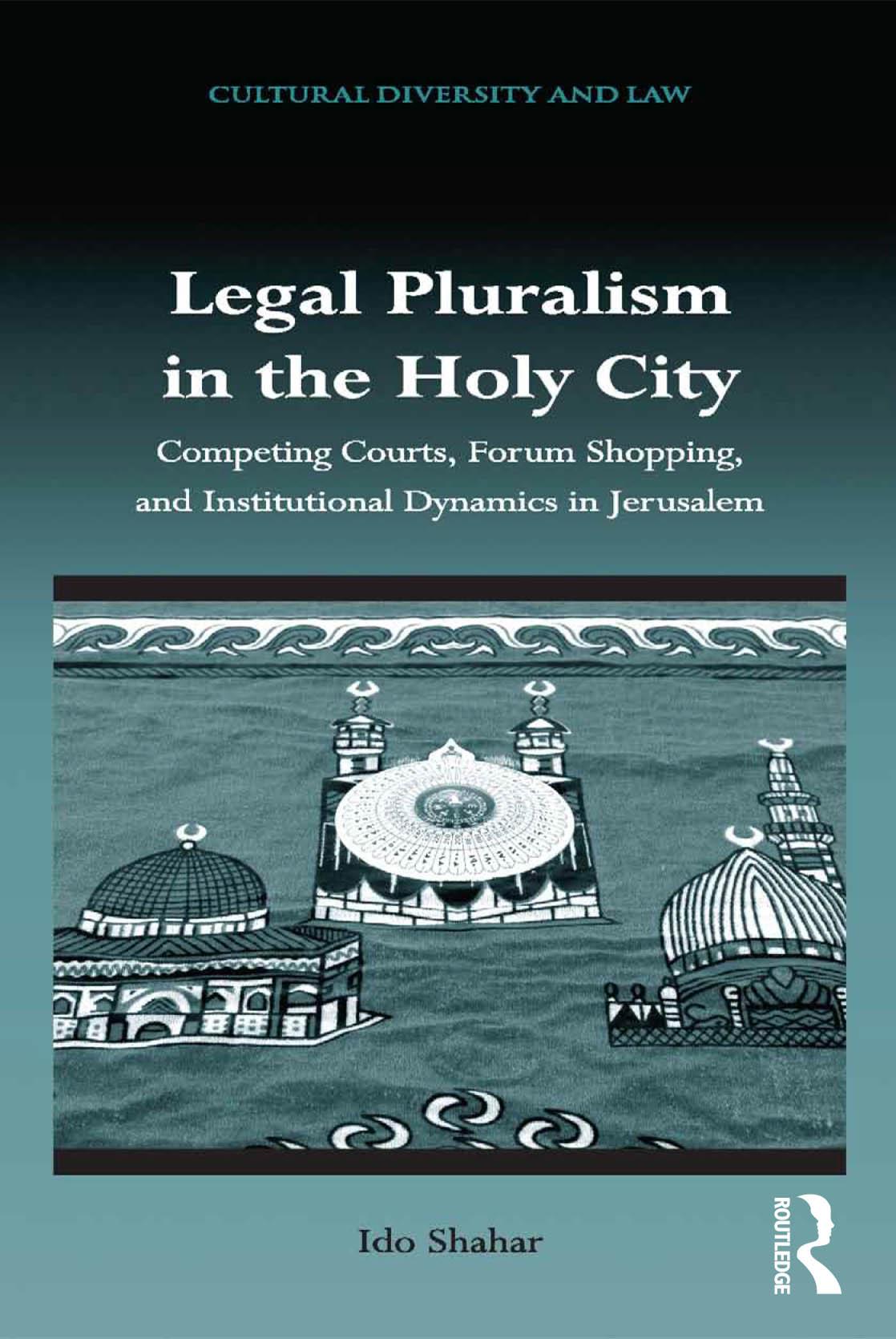
This book provides an unprecedented portrayal of a lively shari'a court in contemporary West Jerusalem, which belongs to the Israeli legal system but serves Palestinian residents of the eastern part of the city. It draws a rich picture of an intriguing institution, operating in an environment marked by legal pluralism and by exceptional political and cultural tensions. The book suggests an organizational-institutional approach to legal pluralism, which examines not only the relations between bodies of law but also the relations between courts of law serving the same population. Based on participant observations in the studied court as well as on textual and legal analyses of court cases and rulings, the study combines history and ethnography, diachronic and synchronic perspectives, and examines broad, macro-political processes as well as micro-level interactions. The book offers fresh perspectives on the phenomenon of legal pluralism, on shari'a law in practice and on Palestinian-Israeli relations in the divided city of Jerusalem. The work is a valuable resource for academics and researchers working in the areas of Legal Pluralism, Islamic Law, and socio-legal history of the Middle East.
Płać wygodnie kartą, Klarną, Apple Pay lub Google Pay. Nie jesteś zadowolony? Zawsze masz 14-dniową gwarancję zwrotu pieniędzy. Więcej przeczytasz w naszych warunkach. Masz pytania? Napisz do nas na hello@memmo.org.
Memmo ułatwia naukę – gdziekolwiek jesteś na świecie. U nas znajdziesz podręczniki i sprytne narzędzia do nauki w jednym miejscu: streszczenia, quizy, podcasty i fiszki. A do tego Ted, Twój kumpel do nauki, który odpowie na wszystko, co Cię nurtuje. Ponad 50 000 studentów już tu się uczy – stworzone, byś uczył się szybciej i mniej stresował.
Może Ci się spodobać
Kup książkę0