
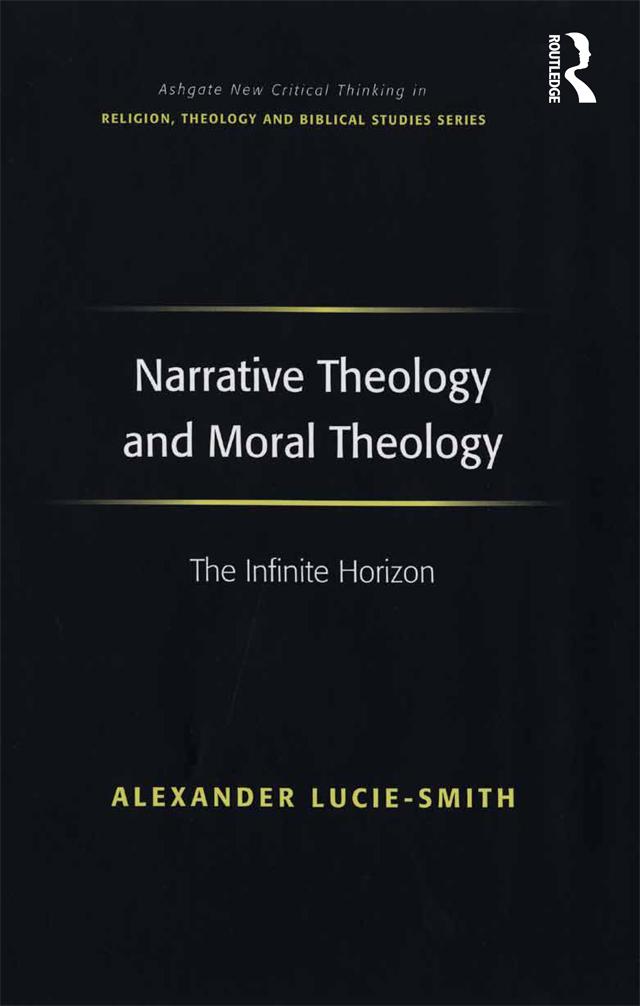
Moral thinking today finds itself stranded between the particular and the universal. Alasdair MacIntyre's work on narrative, discussed here along with that of Stanley Hauerwas and H. T. Engelhardt, aims to undo the perceived damage done by the Enlightenment by returning to narrative and abandoning the illusion of a disembodied reason that claims to be able to give a coherent explanation for everything. It is precisely this - a theory that holds good for all cases - that John Rawls proposed, drawing on the heritage of Emmanuel Kant. Who is right? Must universality be abandoned? Must we only think about morality in terms that are relative, bound by space and time? Alexander Lucie-Smith attempts to answer these questions by examining the nature of narrative itself as well as the particular narratives of Rawls and St Augustine. Bound and rooted as they are in history and personal experience, narratives nevertheless strain at the limits imposed on them. It is Lucie-Smith's contention that each narrative that points to a lived morality exists against the background of an infinite horizon, and thus it is that the particular and the rooted can also make us aware of the universal and unchanging.
Strony: 242
Kategoria: Religion & Teologi
e-ISBN: 9781317090458
Waga przesyłki: 1.2 kg
Wysyłka w ciągu: 1-2 dni
Płać wygodnie kartą, Klarną, Apple Pay lub Google Pay. Nie jesteś zadowolony? Zawsze masz 14-dniową gwarancję zwrotu pieniędzy. Więcej przeczytasz w naszych warunkach. Masz pytania? Napisz do nas na hello@memmo.org.
Memmo ułatwia naukę – gdziekolwiek jesteś na świecie. U nas znajdziesz podręczniki i sprytne narzędzia do nauki w jednym miejscu: streszczenia, quizy, podcasty i fiszki. A do tego Ted, Twój kumpel do nauki, który odpowie na wszystko, co Cię nurtuje. Ponad 50 000 studentów już tu się uczy – stworzone, byś uczył się szybciej i mniej stresował.
Może Ci się spodobać
Kup książkę0