
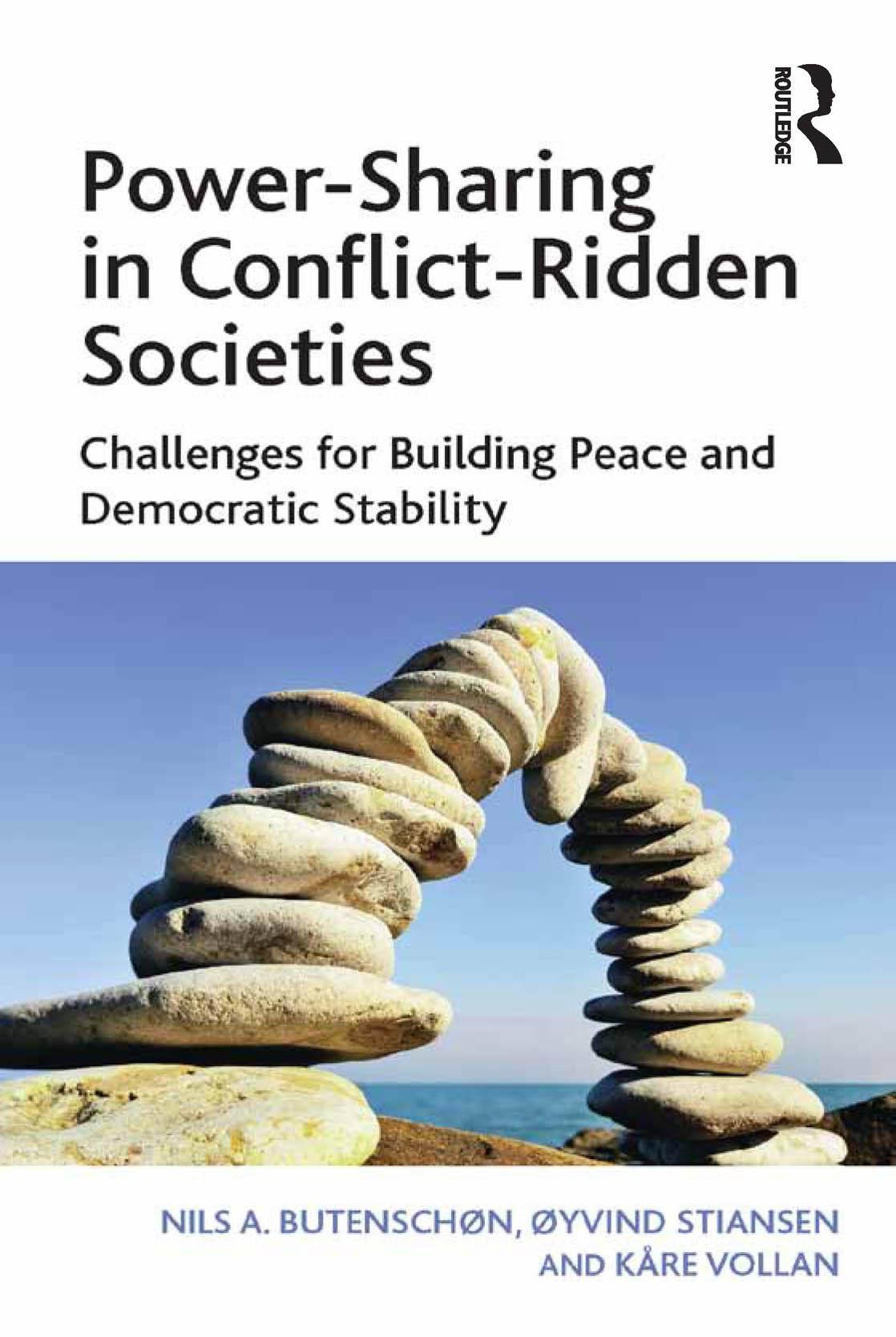
Based on a unique comparative study of Burundi, Rwanda, Ethiopia, Lebanon, Bosnia-Herzegovina, Nepal, Myanmar, the Philippines, and Fiji this book analyses the formal and informal arrangements defining the post-conflict political order in these countries and evaluates whether these systems strengthened or weakened the chances of establishing sustainable peace and lasting democracy. What can be learned from these cases? Each country has it unique history but they are faced with comparable challenges and dilemmas in building a democratic future. Which solutions seem to contribute to democratic stability and which do not? These questions are discussed in light of theoretical literature, case studies, and field interviews with the authors concluding that systems based on proportional representation offered the best prospects for including diverse and conflicting identities and building unified political systems. The book is of particular interest to students of democracy and peace-building; academics as well as decision-makers and practitioners in the field.
Strony: 374
Kategoria: Statsvetenskap & Politik
e-ISBN: 9781317076742
Waga przesyłki: 1.2 kg
Wysyłka w ciągu: 1-2 dni
Płać wygodnie kartą, Klarną, Apple Pay lub Google Pay. Nie jesteś zadowolony? Zawsze masz 14-dniową gwarancję zwrotu pieniędzy. Więcej przeczytasz w naszych warunkach. Masz pytania? Napisz do nas na hello@memmo.org.
Memmo ułatwia naukę – gdziekolwiek jesteś na świecie. U nas znajdziesz podręczniki i sprytne narzędzia do nauki w jednym miejscu: streszczenia, quizy, podcasty i fiszki. A do tego Ted, Twój kumpel do nauki, który odpowie na wszystko, co Cię nurtuje. Ponad 50 000 studentów już tu się uczy – stworzone, byś uczył się szybciej i mniej stresował.
Może Ci się spodobać
Kup książkę0