
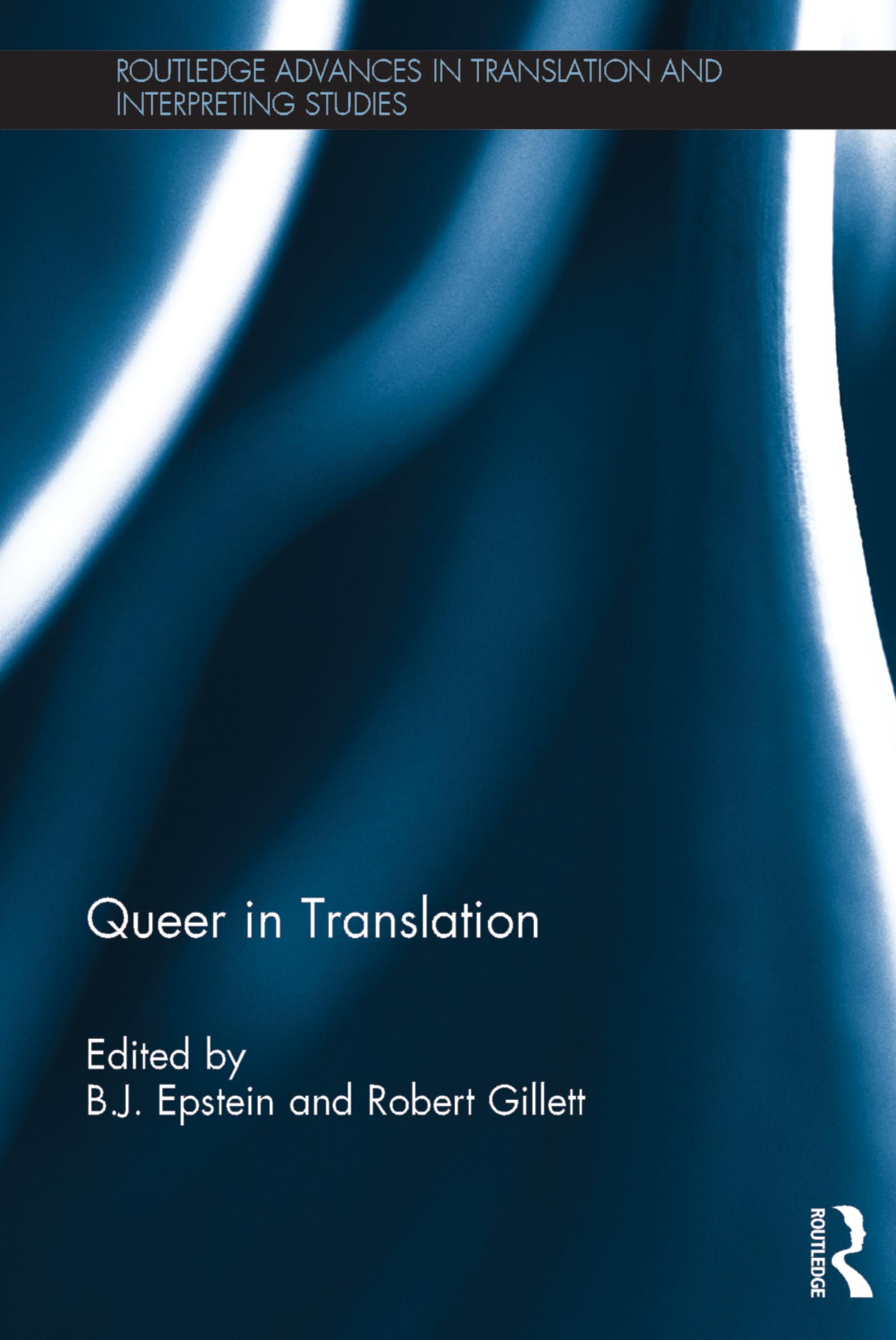
As the field of translation studies has developed, translators and translation scholars have become more aware of the unacknowledged ideologies inherent both in texts themselves and in the mechanisms that affect their circulation. This book both analyses the translation of queerness and applies queer thought to issues of translation. It sheds light on the manner in which heteronormative societies influence the selection, reading and translation of texts and pays attention to the means by which such heterosexism might be subverted. It considers the ways in which queerness can be repressed, ignored or made invisible in translation, and shows how translations might expose or underline the queerness – or the homophobic implications – of a given text. Balancing the theoretical with the practical, this book investigates what is culturally at stake when particular texts are translated from one culture to another, raising the question of the relationship between translation, colonialism and globalization. It also takes the insights derived from intercultural translation studies and applies them to other fields of cultural criticism. The first multi-focus, in-depth study on translating queer, translating queerly and queering translation, this book will be of interest to scholars working in the fields of gender and sexuality, queer theory and queer studies, literature, film studies and translation studies.
Płać wygodnie kartą, Klarną, Apple Pay lub Google Pay. Nie jesteś zadowolony? Zawsze masz 14-dniową gwarancję zwrotu pieniędzy. Więcej przeczytasz w naszych warunkach. Masz pytania? Napisz do nas na hello@memmo.org.
Memmo ułatwia naukę – gdziekolwiek jesteś na świecie. U nas znajdziesz podręczniki i sprytne narzędzia do nauki w jednym miejscu: streszczenia, quizy, podcasty i fiszki. A do tego Ted, Twój kumpel do nauki, który odpowie na wszystko, co Cię nurtuje. Ponad 50 000 studentów już tu się uczy – stworzone, byś uczył się szybciej i mniej stresował.