
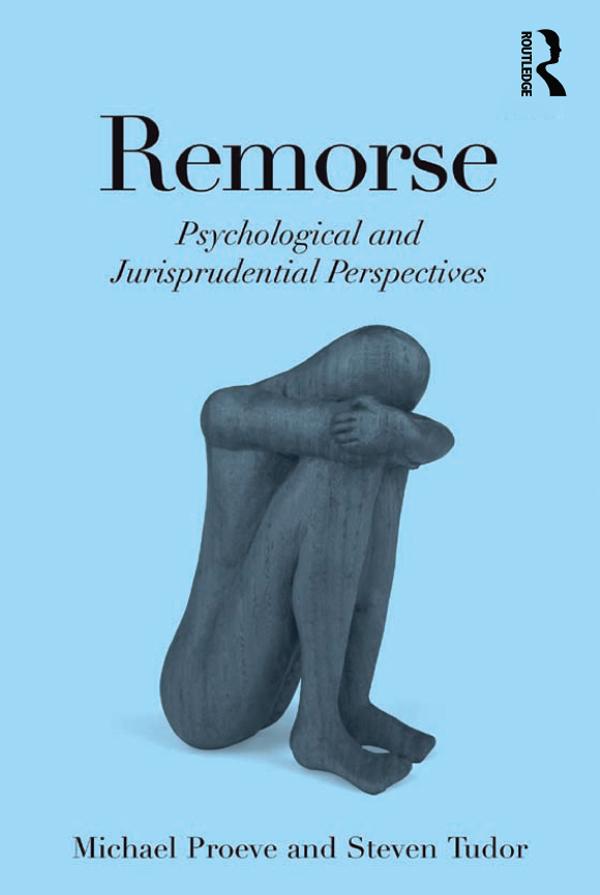
Remorse is a powerful, important and yet academically neglected emotion. This book, one of the very few extended examinations of remorse, draws on psychology, law and philosophy to present a unique interdisciplinary study of this intriguing emotion. The psychological chapters examine the fundamental nature of remorse, its interpersonal effects, and its relationship with regret, guilt and shame. A practical focus is also provided in an examination of the place of remorse in psychotherapeutic interventions with criminal offenders. The book's jurisprudential chapters explore the problem of how offender remorse is proved in court and the contentious issues concerning the effect that remorse - and its absence - should have on sentencing criminal offenders. The legal and psychological perspectives are then interwoven in a discussion of the role of remorse in restorative justice. In Remorse: Psychological and Jurisprudential Perspectives, Proeve and Tudor bring together insights of neighbouring disciplines to advance our understanding of remorse. It will be of interest to theoreticians in psychology, law and philosophy, and will be of benefit to practising psychologists and lawyers.
Płać wygodnie kartą, Klarną, Apple Pay lub Google Pay. Nie jesteś zadowolony? Zawsze masz 14-dniową gwarancję zwrotu pieniędzy. Więcej przeczytasz w naszych warunkach. Masz pytania? Napisz do nas na hello@memmo.org.
Memmo ułatwia naukę – gdziekolwiek jesteś na świecie. U nas znajdziesz podręczniki i sprytne narzędzia do nauki w jednym miejscu: streszczenia, quizy, podcasty i fiszki. A do tego Ted, Twój kumpel do nauki, który odpowie na wszystko, co Cię nurtuje. Ponad 50 000 studentów już tu się uczy – stworzone, byś uczył się szybciej i mniej stresował.
Może Ci się spodobać
Kup książkę0