
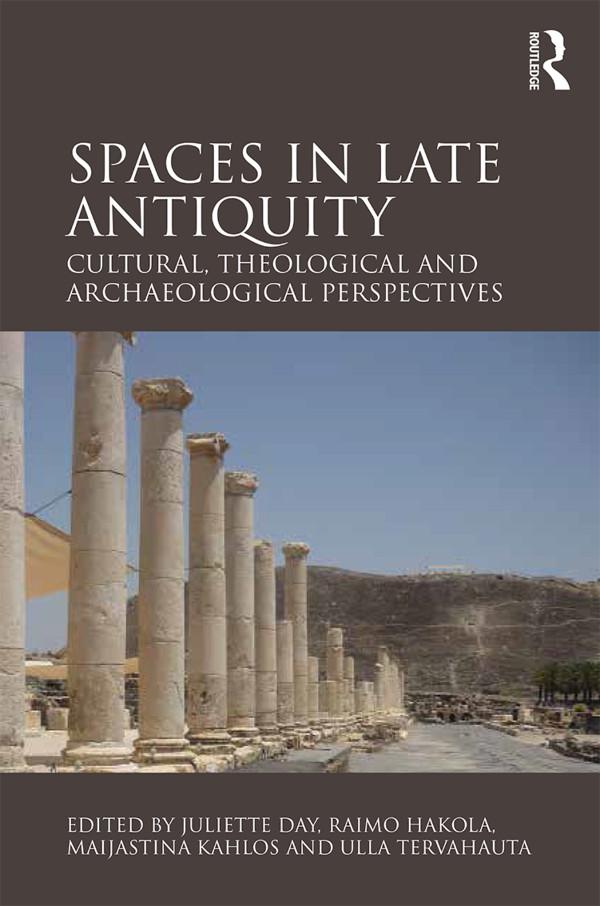
Places and spaces are key factors in how individuals and groups construct their identities. Identity theories have emphasised that the construction of an identity does not follow abstract and universal processes but is also deeply rooted in specific historical, cultural, social and material environments. The essays in this volume explore how various groups in Late Antiquity rooted their identity in special places that were imbued with meanings derived from history and tradition. In Part I, essays explore the tension between the Classical heritage in public, especially urban spaces, in the form of ancient artwork and civic celebrations and the Church's appropriation of that space through doctrinal disputes and rival public performances. Parts II and III investigate how particular locations expressed, and formed, the theological and social identities of Christian and Jewish groups by bringing together fresh insights from the archaeological and textual evidence. Together the essays here demonstrate how the use and interpretation of shared spaces contributed to the self-identity of specific groups in Late Antiquity and in so doing issued challenges, and caused conflict, with other social and religious groups.
Płać wygodnie kartą, Klarną, Apple Pay lub Google Pay. Nie jesteś zadowolony? Zawsze masz 14-dniową gwarancję zwrotu pieniędzy. Więcej przeczytasz w naszych warunkach. Masz pytania? Napisz do nas na hello@memmo.org.
Memmo ułatwia naukę – gdziekolwiek jesteś na świecie. U nas znajdziesz podręczniki i sprytne narzędzia do nauki w jednym miejscu: streszczenia, quizy, podcasty i fiszki. A do tego Ted, Twój kumpel do nauki, który odpowie na wszystko, co Cię nurtuje. Ponad 50 000 studentów już tu się uczy – stworzone, byś uczył się szybciej i mniej stresował.
Może Ci się spodobać
Kup książkę0