
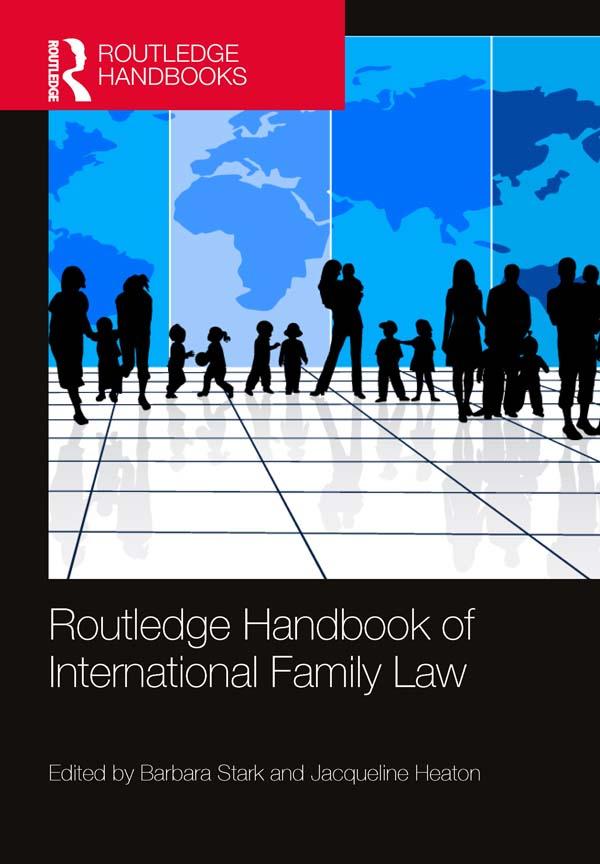
Globalisation, and the vast migrations of capital and labour that have accompanied it in recent decades, has transformed family law in once unimaginable ways. Families have been torn apart and new families have been created. Borders have become more porous, allowing adoptees and mail order brides to join new families and women fleeing domestic violence to escape from old ones. People of different nationalities marry, have children, and divorce, not necessarily in that order. They file suits in their respective home states or third states, demanding support, custody, and property. Otherwise law-abiding parents risk jail in desperate efforts to abduct their own children from foreign ex-spouses.
The aim of this Handbook is to provide scholars, postgraduate students, judges, and practioners with a broad but authoritative review of current research in the area of International Family Law. The contributors reflect on a range of jurisdictions and legal traditions and their approaches vary. Each chapter has a distinct subject matter and was written by an author who was invited because of his or her expertise on that subject. This volume provides a valuable contribution to emerging understandings of the subject.
Płać wygodnie kartą, Klarną, Apple Pay lub Google Pay. Nie jesteś zadowolony? Zawsze masz 14-dniową gwarancję zwrotu pieniędzy. Więcej przeczytasz w naszych warunkach. Masz pytania? Napisz do nas na hello@memmo.org.
Memmo ułatwia naukę – gdziekolwiek jesteś na świecie. U nas znajdziesz podręczniki i sprytne narzędzia do nauki w jednym miejscu: streszczenia, quizy, podcasty i fiszki. A do tego Ted, Twój kumpel do nauki, który odpowie na wszystko, co Cię nurtuje. Ponad 50 000 studentów już tu się uczy – stworzone, byś uczył się szybciej i mniej stresował.