
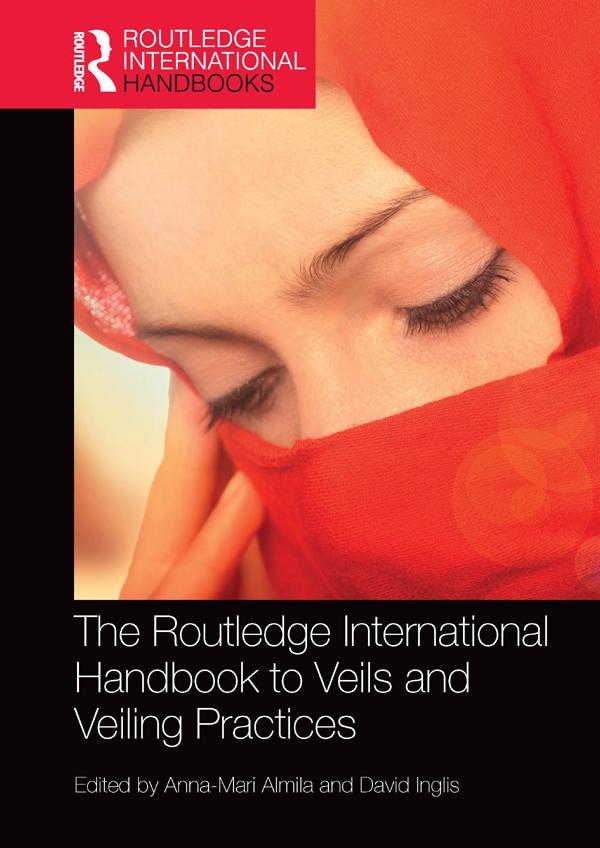
Veils and veiling are controversial topics in social and political life, generating debates across the world. The veil is enmeshed within a complex web of relations encompassing politics, religion and gender, and conflicts over the nature of power, legitimacy, belief, freedom, agency and emancipation. In recent years, the veil has become both a potent and unsettling symbol and a rallying-point for discourse and rhetoric concerning women, Islam and the nature of politics.
Early studies in gender, doctrine and politics of veiling appeared in the 1970s following the Islamic revival and ’re-veiling’ trends that were dramatically expressed by 1979’s Iranian Islamic revolution. In the 1990s, research focussed on the development of both an ’Islamic culture industry’ and greater urban middle class consumption of ’Islamic’ garments and dress styles across the Islamic world. In the last decade academics have studied Islamic fashion and marketing, the political role of the headscarf, the veiling of other religious groups such as Jews and Christians, and secular forms of modest dress. Using work from contributors across a range of disciplinary backgrounds and locations, this book brings together these research strands to form the most comprehensive book ever conceived on this topic.
As such, this handbook will be of interest to scholars and students of fashion, gender studies, religious studies, politics and sociology.
Płać wygodnie kartą, Klarną, Apple Pay lub Google Pay. Nie jesteś zadowolony? Zawsze masz 14-dniową gwarancję zwrotu pieniędzy. Więcej przeczytasz w naszych warunkach. Masz pytania? Napisz do nas na hello@memmo.org.
Memmo ułatwia naukę – gdziekolwiek jesteś na świecie. U nas znajdziesz podręczniki i sprytne narzędzia do nauki w jednym miejscu: streszczenia, quizy, podcasty i fiszki. A do tego Ted, Twój kumpel do nauki, który odpowie na wszystko, co Cię nurtuje. Ponad 50 000 studentów już tu się uczy – stworzone, byś uczył się szybciej i mniej stresował.