
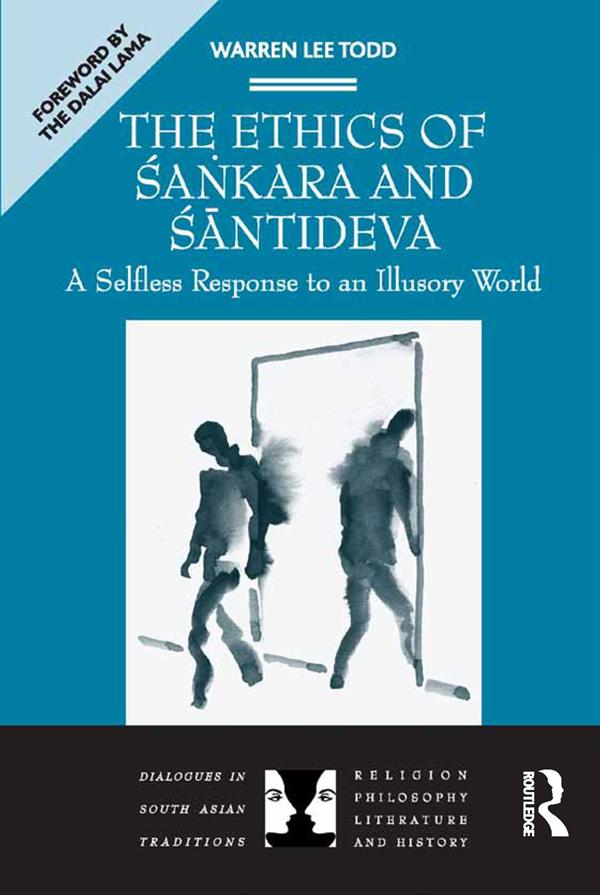
Exploring the philosophical concerns of the nature of self, this book draws from two of the most influential Indian masters, Śaṅkara and Śāntideva. Todd demonstrates that an ethics of altruism is still possible within a metaphysics which assumes there to be no independent self. A new ethical model based on the notions of ’flickering consciousness’ and ’constructive altruism’ is proposed. By comparing the metaphysics and ethics of Śaṅkara and Śāntideva, Todd shows that the methodologies and aims of these Buddhist and Hindu masters trace remarkably similar cross-cutting paths. Treating Buddhism and Hinduism with equal respect, this book compares and reinterprets the Indian material so as to engage with contemporary Western debates on self and to show that Indian philosophy is indeed a philosophy of dialogue.
Płać wygodnie kartą, Klarną, Apple Pay lub Google Pay. Nie jesteś zadowolony? Zawsze masz 14-dniową gwarancję zwrotu pieniędzy. Więcej przeczytasz w naszych warunkach. Masz pytania? Napisz do nas na hello@memmo.org.
Memmo ułatwia naukę – gdziekolwiek jesteś na świecie. U nas znajdziesz podręczniki i sprytne narzędzia do nauki w jednym miejscu: streszczenia, quizy, podcasty i fiszki. A do tego Ted, Twój kumpel do nauki, który odpowie na wszystko, co Cię nurtuje. Ponad 50 000 studentów już tu się uczy – stworzone, byś uczył się szybciej i mniej stresował.