
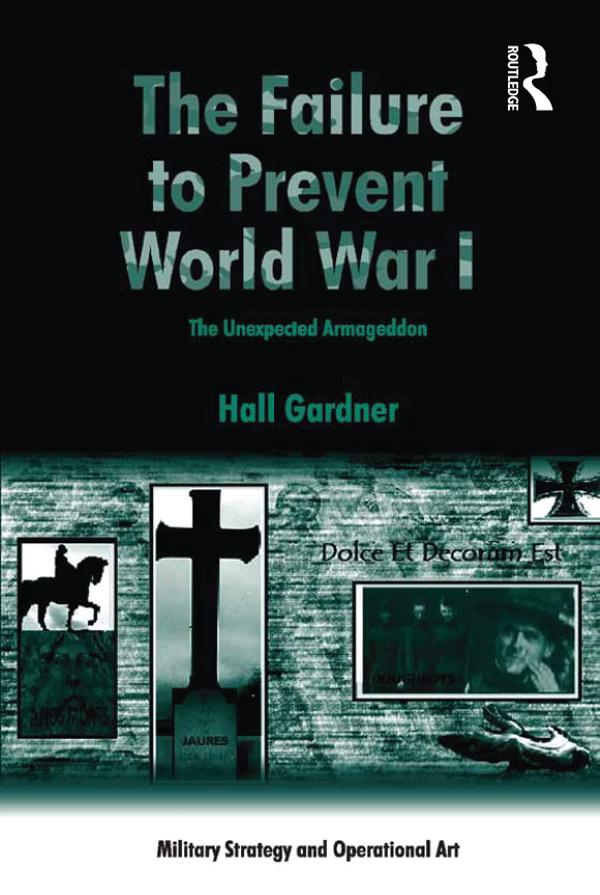
World War I represents one of the most studied, yet least understood, systemic conflicts in modern history. At the time, it was a major power war that was largely unexpected. This book refines and expands points made in the author’s earlier work on the failure to prevent World War I. It provides an alternative viewpoint to the thesis of Christopher Clark, Fritz Fischer, Paul Kennedy, among others, as to the war's long-term origins. By starting its analysis with the causes and consequences of the 1870-71 Franco-Prussian War and the German annexation of Alsace-Lorraine, the study systematically explores the key geostrategic, political-economic and socio-cultural-ideological disputes between France, Germany, Austria-Hungary, Italy, Russia, Japan, the United States and Great Britain, the nature of their foreign policy goals, alliance formations, arms rivalries, as well as the dynamics of the diplomatic process, so as to better explain the deeper roots of the 'Great War'. The book concludes with a discussion of the war's relevance and the diplomatic failure to forge a possible Anglo-German-French alliance, while pointing out how it took a second world war to realize Victor Hugo’s nineteenth-century vision of a United States of Europe-a vision now being challenged by financial crisis and Russia's annexation of Crimea.
Płać wygodnie kartą, Klarną, Apple Pay lub Google Pay. Nie jesteś zadowolony? Zawsze masz 14-dniową gwarancję zwrotu pieniędzy. Więcej przeczytasz w naszych warunkach. Masz pytania? Napisz do nas na hello@memmo.org.
Memmo ułatwia naukę – gdziekolwiek jesteś na świecie. U nas znajdziesz podręczniki i sprytne narzędzia do nauki w jednym miejscu: streszczenia, quizy, podcasty i fiszki. A do tego Ted, Twój kumpel do nauki, który odpowie na wszystko, co Cię nurtuje. Ponad 50 000 studentów już tu się uczy – stworzone, byś uczył się szybciej i mniej stresował.
Może Ci się spodobać
Kup książkę0