
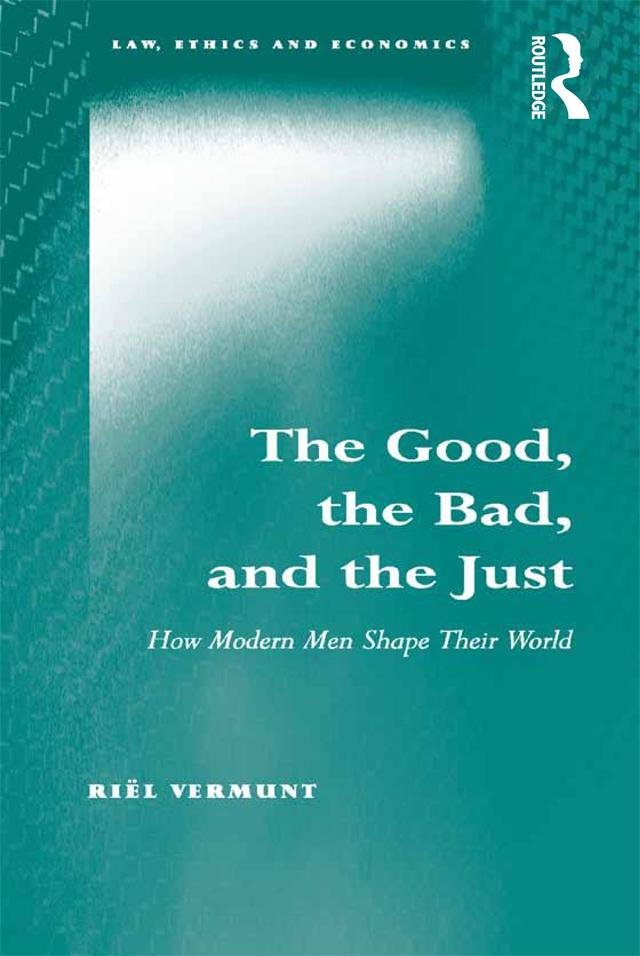
Drawing on multidisciplinary findings and ideas, this book discusses fair allocation of social resources, such as goods, services and information, in a novel and integrated way. The role of the essential features of allocation behavior: motivation, cognition and emotion, as well as morality and reactions to perceived unfairness are examined in the newly developed Justice Model. The author offers explanations as to why, how and to what extent, people, in an effort to attain justice, allocate social resources between self and others and among others. It is held that the allocation event, featuring actor, recipient and observer, as well as the resources to be allocated by an actor, can function as a guideline for the essentials of fair behavior. The work explores the conditions under which an actor may deviate from a just division of social resources thus instigating a reaction from recipients and observers. The study covers various levels of analysis ranging from the intra-personal to the societal. The book will be of interest to academics and researchers working in the areas of crime, law, justice, public policy and governance.
Strony: 344
Kategoria: Samhällsvetenskap
e-ISBN: 9781317029977
Waga przesyłki: 1.2 kg
Wysyłka w ciągu: 1-2 dni
Płać wygodnie kartą, Klarną, Apple Pay lub Google Pay. Nie jesteś zadowolony? Zawsze masz 14-dniową gwarancję zwrotu pieniędzy. Więcej przeczytasz w naszych warunkach. Masz pytania? Napisz do nas na hello@memmo.org.
Memmo ułatwia naukę – gdziekolwiek jesteś na świecie. U nas znajdziesz podręczniki i sprytne narzędzia do nauki w jednym miejscu: streszczenia, quizy, podcasty i fiszki. A do tego Ted, Twój kumpel do nauki, który odpowie na wszystko, co Cię nurtuje. Ponad 50 000 studentów już tu się uczy – stworzone, byś uczył się szybciej i mniej stresował.
Może Ci się spodobać
Kup książkę0