
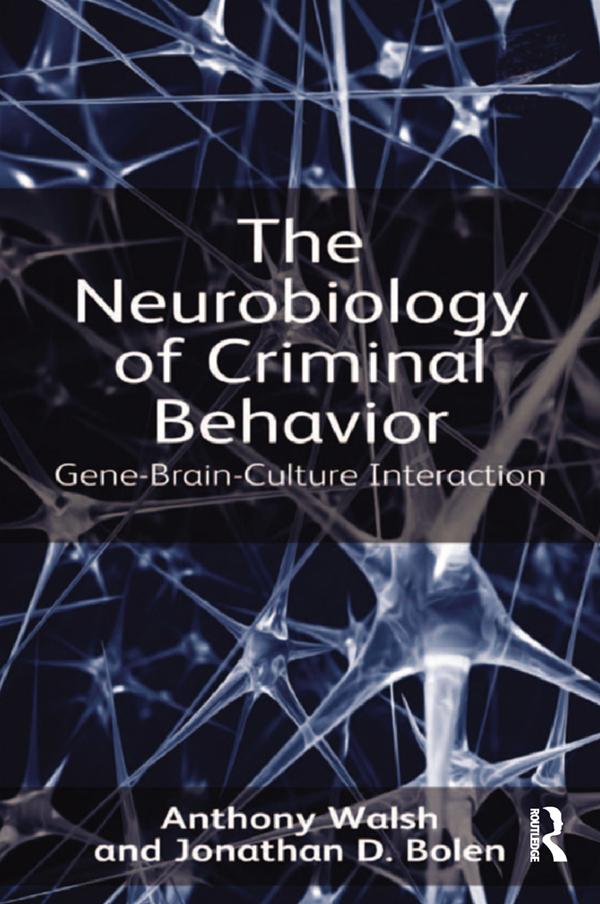
The main feature of this work is that it explores criminal behavior from all aspects of Tinbergen's Four Questions. Rather than focusing on a single theoretical point of view, this book examines the neurobiology of crime from a biosocial perspective. It suggests that it is necessary to understand some genetics and neuroscience in order to appreciate and apply relevant concepts to criminological issues. Presenting up-to-date information on the circuitry of the brain, the authors explore and examine a variety of characteristics, traits and behavioral syndromes related to criminal behavior such as ADHD, intelligence, gender, the age-crime curve, schizophrenia, psychopathy, violence and substance abuse. This book brings together the sociological tradition with the latest knowledge the neurosciences have to offer and conveys biological information in an accessible and understanding way. It will be of interest to scholars in the field and to professional criminologists.
Płać wygodnie kartą, Klarną, Apple Pay lub Google Pay. Nie jesteś zadowolony? Zawsze masz 14-dniową gwarancję zwrotu pieniędzy. Więcej przeczytasz w naszych warunkach. Masz pytania? Napisz do nas na hello@memmo.org.
Memmo ułatwia naukę – gdziekolwiek jesteś na świecie. U nas znajdziesz podręczniki i sprytne narzędzia do nauki w jednym miejscu: streszczenia, quizy, podcasty i fiszki. A do tego Ted, Twój kumpel do nauki, który odpowie na wszystko, co Cię nurtuje. Ponad 50 000 studentów już tu się uczy – stworzone, byś uczył się szybciej i mniej stresował.
Może Ci się spodobać
Kup książkę0