
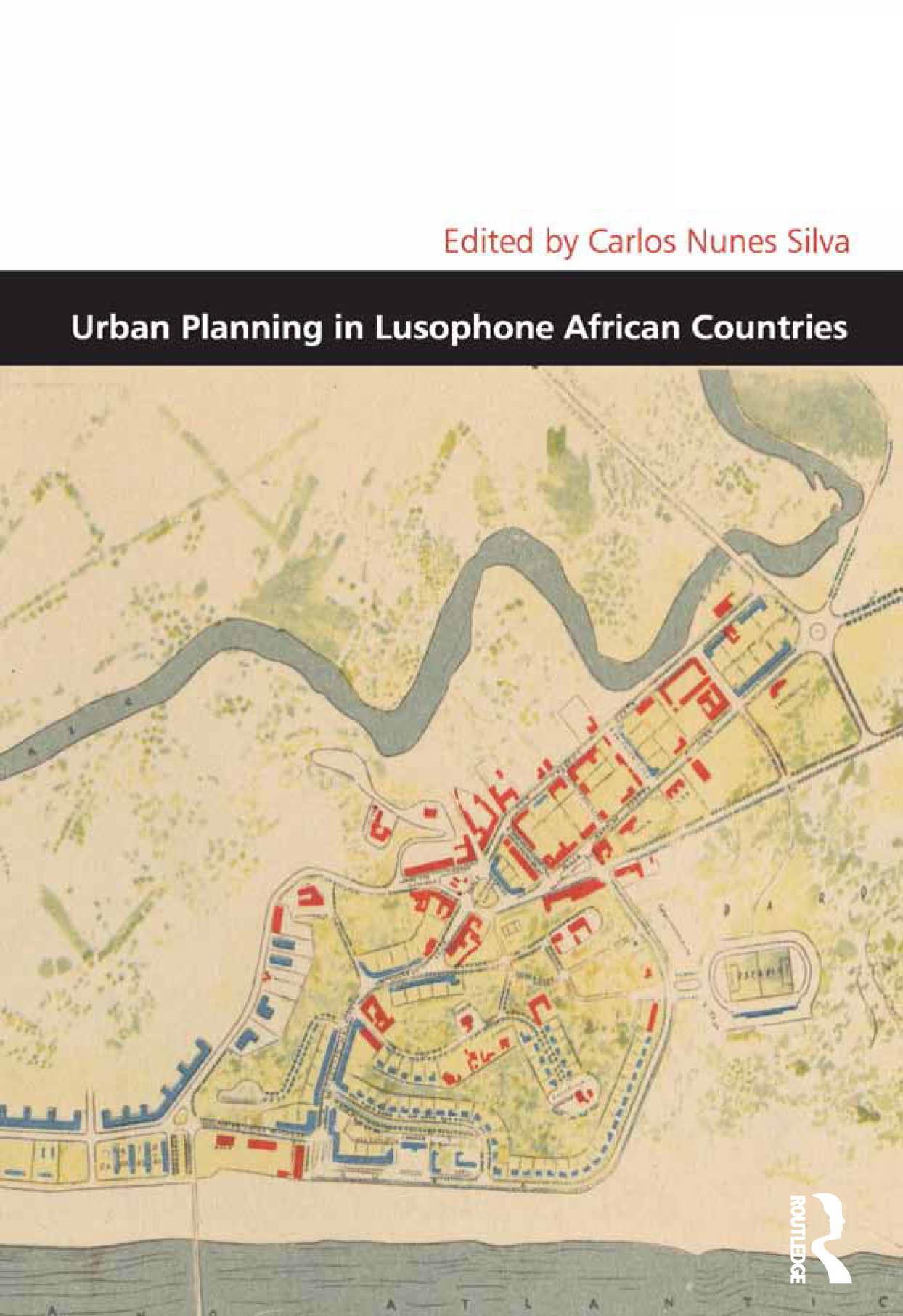
Urban planning on the five Lusophone African countries - Angola, Cape Verde, Guinea-Bissau, Mozambique, and Sao Tome and PrÃncipe - has so far been relatively overlooked in planning literature. Bringing together a team of leading scholars, this book fills the gap by providing an in-depth analysis of key issues in the history of urban planning and discussing the key challenges confronting contemporary urban planning in these countries. The book argues that urban planning is a non-neutral and non-value free kind of public action and, therefore, ideology, planning theories, urban models and the ideological role urban planning has played are some of the key issues addressed. For that reason, the practice of Urban Planning is also seen as the outcome of a complex interrelationship between structure and agency, with the role of key planers being examined in some of the chapters. The findings and insights presented by the contributing authors confirm previous research on urban planning in the colonial and postcolonial periods in Lusophone African countries and at the same time break fresh ground and offer additional insights as new evidence has been collected from archives and in fieldwork carried out by a new generation of researchers. In addition, it outlines possible directions for future research.
Płać wygodnie kartą, Klarną, Apple Pay lub Google Pay. Nie jesteś zadowolony? Zawsze masz 14-dniową gwarancję zwrotu pieniędzy. Więcej przeczytasz w naszych warunkach. Masz pytania? Napisz do nas na hello@memmo.org.
Memmo ułatwia naukę – gdziekolwiek jesteś na świecie. U nas znajdziesz podręczniki i sprytne narzędzia do nauki w jednym miejscu: streszczenia, quizy, podcasty i fiszki. A do tego Ted, Twój kumpel do nauki, który odpowie na wszystko, co Cię nurtuje. Ponad 50 000 studentów już tu się uczy – stworzone, byś uczył się szybciej i mniej stresował.
Może Ci się spodobać
Kup książkę0