
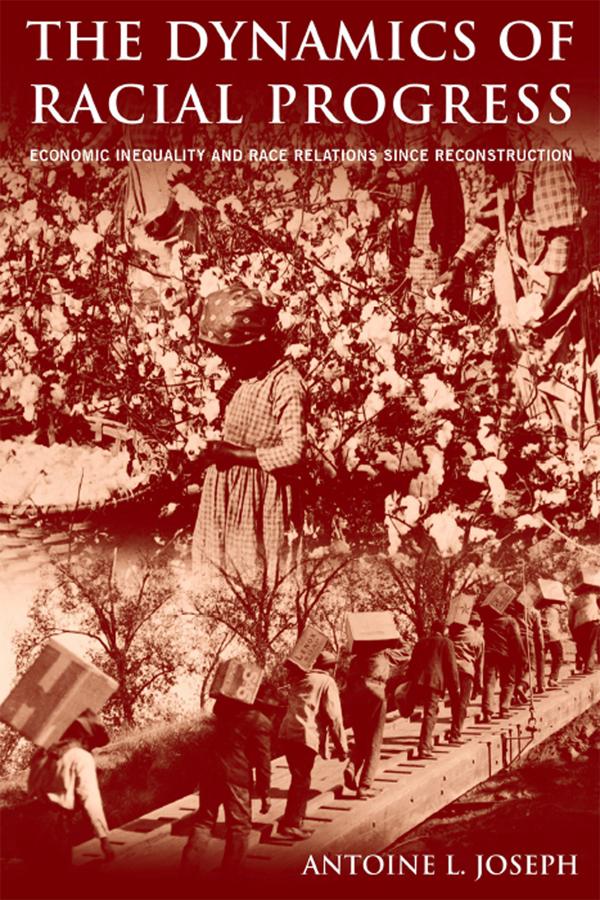
Race relations in the United States have long been volatile - marked on the one hand by distrust and violence, but tempered on the other by periods of conciliation, integration and relative harmony. This path-breaking blend of history, sociology, political science and economics argues that the key factor determining the quality of race relations is economic: When economic equality spreads so do social and political equality. Conversely, economic downturns and widening income disparities promote political inequality, polarizing blacks and whites. To support this provocative thesis the author examines key events and eras in American history since the Reconstruction - particularly the black migration and the New Deal policies of the interwar years, the civil rights movement of the 1950s and 60s, and the rise and decline of affirmative action in the late twentieth century. He also analyzes the racial policies and politics of the major political parties and shows how they "played the race card" to win support.
Płać wygodnie kartą, Klarną, Apple Pay lub Google Pay. Nie jesteś zadowolony? Zawsze masz 14-dniową gwarancję zwrotu pieniędzy. Więcej przeczytasz w naszych warunkach. Masz pytania? Napisz do nas na hello@memmo.org.
Memmo ułatwia naukę – gdziekolwiek jesteś na świecie. U nas znajdziesz podręczniki i sprytne narzędzia do nauki w jednym miejscu: streszczenia, quizy, podcasty i fiszki. A do tego Ted, Twój kumpel do nauki, który odpowie na wszystko, co Cię nurtuje. Ponad 50 000 studentów już tu się uczy – stworzone, byś uczył się szybciej i mniej stresował.
Może Ci się spodobać
Kup książkę0