
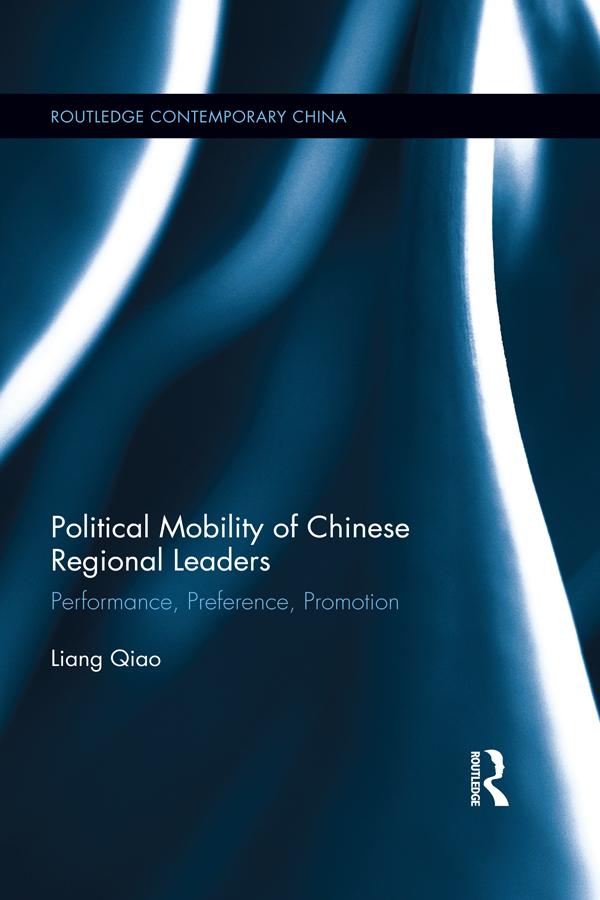
A monarch is usually born, a member of parliament or a president is usually elected, but a regional leader in China is usually orchestrated to replace his or her predecessor through an opaque process and for reasons not normally made public. The professional trajectories of Chinese regional leaders are mysterious in many ways. Their promotions and demotions can be "predictable" in terms of their age, gender, nationality, education, factions, and previous engagements in the political system. Yet, speaking of their capability, performance, opportunities and arrangements, their future can also be "unexpected". Such arrangements are always originated from the Organization (zuzhi) which represents the Chinese Communist Party. What are the factors the organization considers in order to make its final decisions on nominating and appointing a regional leader?
Today’s regional leaders of China will very likely become the central leaders of China in the future. By making an empirical analysis of Chinese regional leaders’ political mobility, Qiao establishes a descriptive political mobility model that reveals leadership trajectories in Chinese politics.
Płać wygodnie kartą, Klarną, Apple Pay lub Google Pay. Nie jesteś zadowolony? Zawsze masz 14-dniową gwarancję zwrotu pieniędzy. Więcej przeczytasz w naszych warunkach. Masz pytania? Napisz do nas na hello@memmo.org.
Memmo ułatwia naukę – gdziekolwiek jesteś na świecie. U nas znajdziesz podręczniki i sprytne narzędzia do nauki w jednym miejscu: streszczenia, quizy, podcasty i fiszki. A do tego Ted, Twój kumpel do nauki, który odpowie na wszystko, co Cię nurtuje. Ponad 50 000 studentów już tu się uczy – stworzone, byś uczył się szybciej i mniej stresował.