
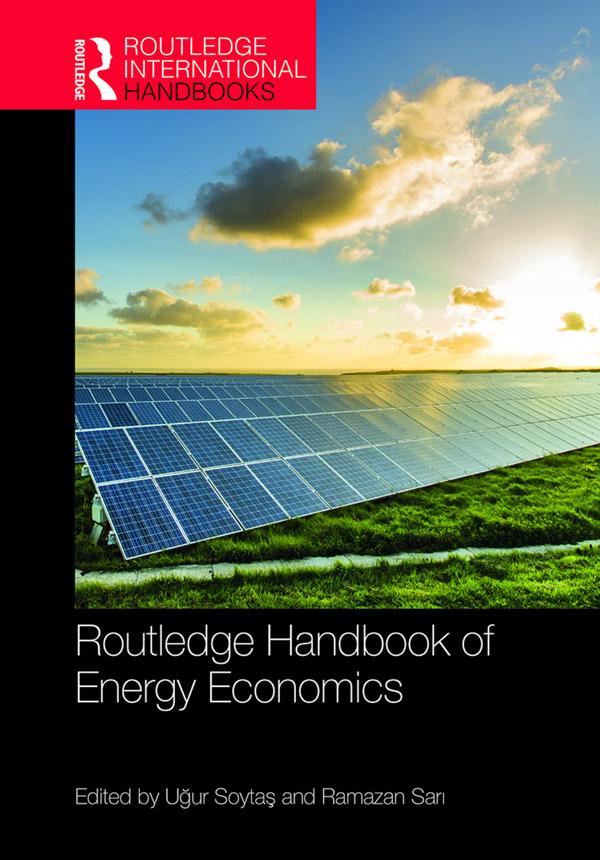
Energy consumption and production have major influences on the economy, environment, and society, but in return they are also influenced by how the economy is structured, how the social institutions work, and how the society deals with environmental degradation. The need for integrated assessment of the relationship between energy, economy, environment, and society is clear, and this handbook offers an in-depth review of all four pillars of the energy-economy-environment-society nexus.
Bringing together contributions from all over the world, this handbook includes sections devoted to each of the four pillars. Moreover, as the financialization of commodity markets has made risk analysis more complicated and intriguing, the sections also cover energy commodity markets and their links to other financial and non-financial markets. In addition, econometric modeling and the forecasting of energy needs, as well as energy prices and volatilities, are also explored. Each part emphasizes the multidisciplinary nature of the energy economics field and from this perspective, chapters offer a review of models and methods used in the literature.
The Routledge Handbook of Energy Economics will be of great interest to all those studying and researching in the area of energy economics. It offers guideline suggestions for policy makers as well as for future research.
Płać wygodnie kartą, Klarną, Apple Pay lub Google Pay. Nie jesteś zadowolony? Zawsze masz 14-dniową gwarancję zwrotu pieniędzy. Więcej przeczytasz w naszych warunkach. Masz pytania? Napisz do nas na hello@memmo.org.
Memmo ułatwia naukę – gdziekolwiek jesteś na świecie. U nas znajdziesz podręczniki i sprytne narzędzia do nauki w jednym miejscu: streszczenia, quizy, podcasty i fiszki. A do tego Ted, Twój kumpel do nauki, który odpowie na wszystko, co Cię nurtuje. Ponad 50 000 studentów już tu się uczy – stworzone, byś uczył się szybciej i mniej stresował.