
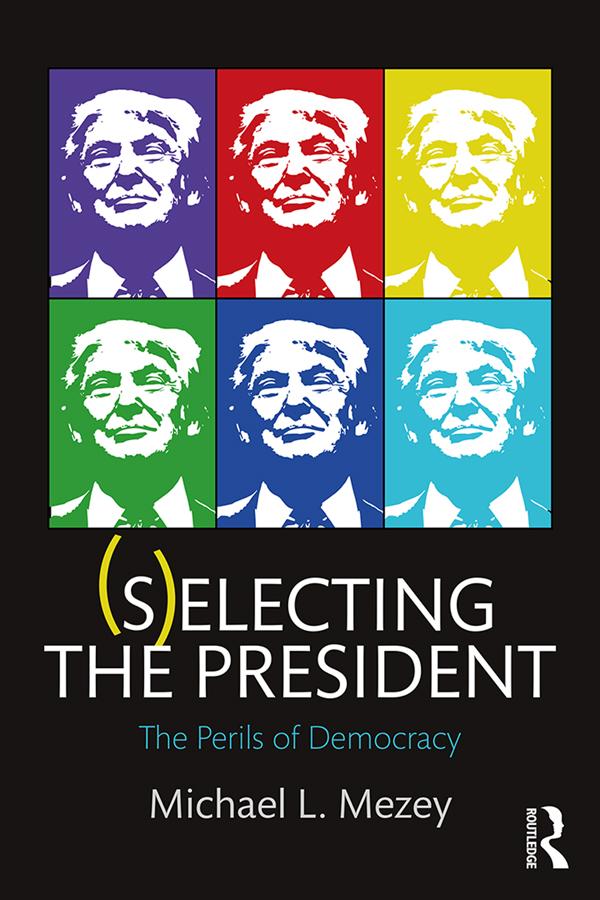
Selecting political leaders by popular election is an unquestioned hallmark of representative democracies—the institutional manifestation of Lincoln’s promise of a government of the people and by the people. But in 2016, Lincoln’s promise seems to have given way to Hamilton’s nightmare—with his worries that popular elections would produce demagogues who paid an "obsequious court to the people," appealing to their passions and prejudices rather than to their reason. This book examines the commitment to the widest level of participation among the largest number of citizens in the selection of the president. It looks at two salient characteristics of our current presidential election environment that bring the wisdom of this commitment into question: the declining influence of political parties and the communication revolution in the form of the internet, social media, and cable television. Ultimately, Mezey asks whether our now fully democratized presidential selection process has in fact diminished the quality of our presidential candidates and the campaigns they run, whether the turn to demagoguery that the founders feared has materialized, what the consequences of our presidential selection process have been for American government, and whether or not it would be valuable to rethink our wholehearted commitment to popular election of the president. His answers do not topple our commitment to popular elections but rather point the way toward improving the quality of both participation and democracy.
Płać wygodnie kartą, Klarną, Apple Pay lub Google Pay. Nie jesteś zadowolony? Zawsze masz 14-dniową gwarancję zwrotu pieniędzy. Więcej przeczytasz w naszych warunkach. Masz pytania? Napisz do nas na hello@memmo.org.
Memmo ułatwia naukę – gdziekolwiek jesteś na świecie. U nas znajdziesz podręczniki i sprytne narzędzia do nauki w jednym miejscu: streszczenia, quizy, podcasty i fiszki. A do tego Ted, Twój kumpel do nauki, który odpowie na wszystko, co Cię nurtuje. Ponad 50 000 studentów już tu się uczy – stworzone, byś uczył się szybciej i mniej stresował.