
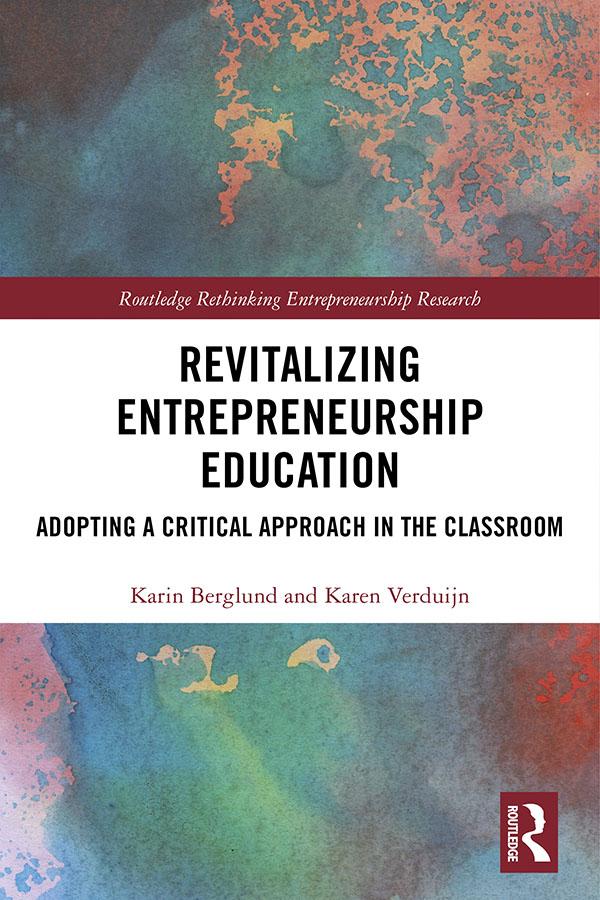
Within mainstream scholarship, it’s assumed without question that entrepreneurship and entrepreneurship education are desirable and positive economic activities. Drawing on a wide range of theoretical approaches and political-philosophical perspectives, critical entrepreneurship studies has emerged to ask the questions which this assumption obscures.
Students of entrepreneurship need to understand why and how entrepreneurship is seen as a moral force which can solve social problems or protect the environment, or even to tackle political problems. It is time to evaluate how such contributions and insights have entered our classrooms. How much – if any – critical discussion and insight enters our classrooms? How do we change when students demand to be taught "how to do it", not to be critical or reflexive?
If educators are to bring alternative perspectives into the classroom, it will entail a new way of thinking. There is a need to share ideas and practical approaches, and that is what the contributions to this volume aim to do and to illuminate new ways forward in entrepreneurship education.
Płać wygodnie kartą, Klarną, Apple Pay lub Google Pay. Nie jesteś zadowolony? Zawsze masz 14-dniową gwarancję zwrotu pieniędzy. Więcej przeczytasz w naszych warunkach. Masz pytania? Napisz do nas na hello@memmo.org.
Memmo ułatwia naukę – gdziekolwiek jesteś na świecie. U nas znajdziesz podręczniki i sprytne narzędzia do nauki w jednym miejscu: streszczenia, quizy, podcasty i fiszki. A do tego Ted, Twój kumpel do nauki, który odpowie na wszystko, co Cię nurtuje. Ponad 50 000 studentów już tu się uczy – stworzone, byś uczył się szybciej i mniej stresował.