
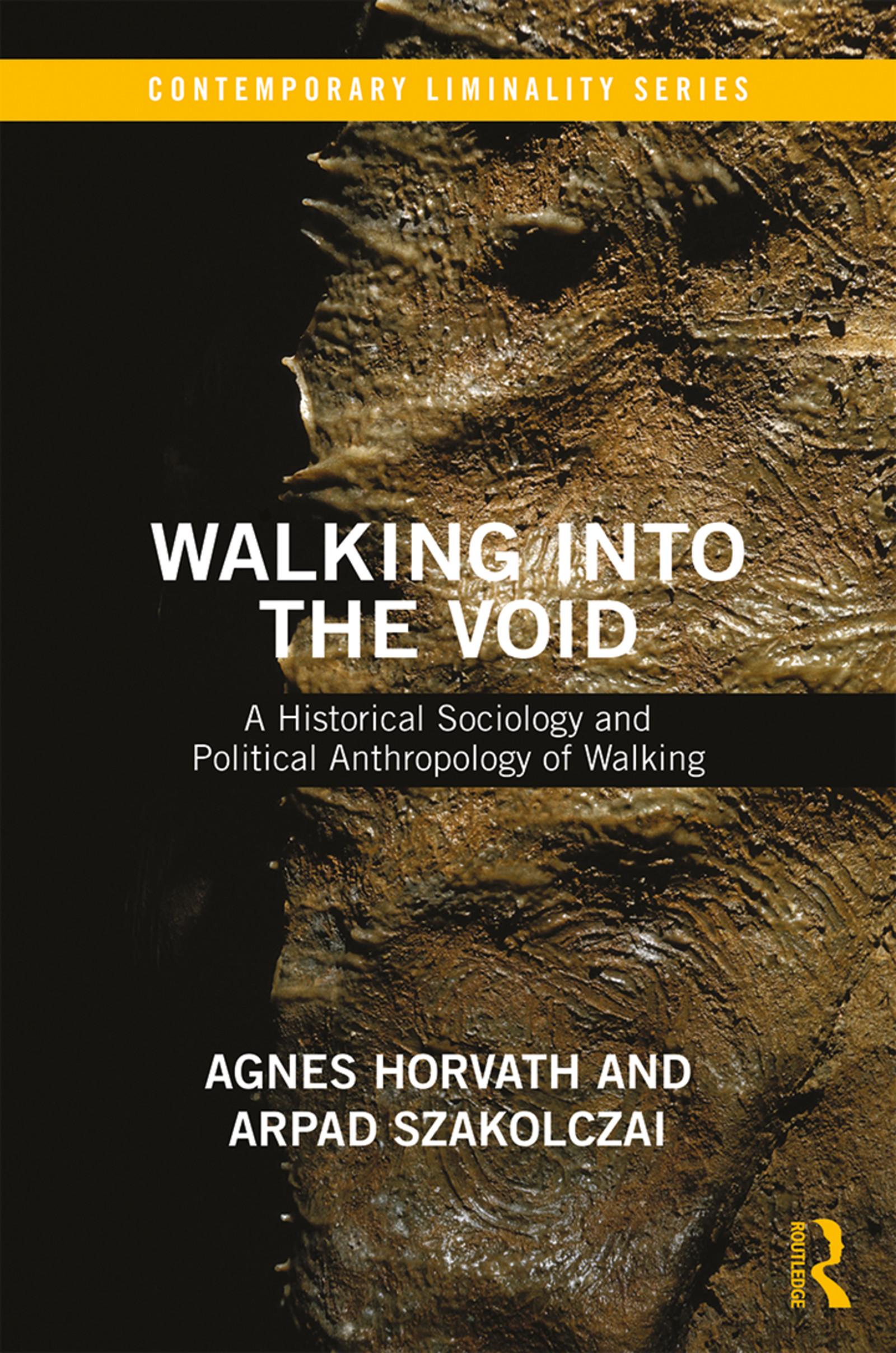
The book starts by discussing the significance of walking for the experience of being human, including a comparative study of the language and cultures of walking. It then reviews in detail, relying on archaeology, two turning points of human history: the emergence of cave art sanctuaries and a new cultural practice of long-distance ‘pilgrimages’, implying a descent into such caves, thus literally the ‘void’; and the abandonment of walking culture through settlement at the end of the Ice Age, around the time when the visiting of cave sanctuaries also stopped. The rise of philosophy and Christianity is then presented as two returns to walking. The book closes by looking at the ambivalent relationship of contemporary modernity to walking, where its radical abandonment is combined with attempts at returns.
The book ventures an unprecedented genealogy of walking culture, bringing together archaeological studies distant in both time and place, and having a special focus on the significance of the rise of representative art for human history. Our genealogy helped to identify settlement not as the glorious origin of civilisation, but rather as a source of an extremely problematic development. The findings of the book should be relevant for social scientists, as well as those interested in walking and its cultural and civilisational significance, or in the direction and meaning of human history.
Płać wygodnie kartą, Klarną, Apple Pay lub Google Pay. Nie jesteś zadowolony? Zawsze masz 14-dniową gwarancję zwrotu pieniędzy. Więcej przeczytasz w naszych warunkach. Masz pytania? Napisz do nas na hello@memmo.org.
Memmo ułatwia naukę – gdziekolwiek jesteś na świecie. U nas znajdziesz podręczniki i sprytne narzędzia do nauki w jednym miejscu: streszczenia, quizy, podcasty i fiszki. A do tego Ted, Twój kumpel do nauki, który odpowie na wszystko, co Cię nurtuje. Ponad 50 000 studentów już tu się uczy – stworzone, byś uczył się szybciej i mniej stresował.